Coin Master vs. Monopoly Go dominate the casual mobile gaming space, blending light strategy, social interaction, and event-driven progression. While both feature board-like advancement and resource management, their core mechanics, monetization models, and community dynamics cater to different playstyles. In 2026, both games have refined their economies, improved safety measures, and expanded event structures. This comparison breaks down gameplay differences, progression pacing, social features, and how to choose the right fit based on your preferences, time commitment, and budget.
Core Gameplay Comparison
Coin Master centers on slot-style spins that determine actions: earning coins, attacking villages, raiding opponents, or triggering shields. Progression is village-based, requiring building upgrades to advance. Monopoly Go uses dice rolls to navigate a property board, triggering events, collecting stickers, and participating in tournaments.
Coin Master leans toward reactive, moment-to-moment decisions, while Monopoly Go emphasizes planning, album tracking, and cooperative milestones. Neither game requires intense skill; both reward consistency, event awareness, and resource pacing.
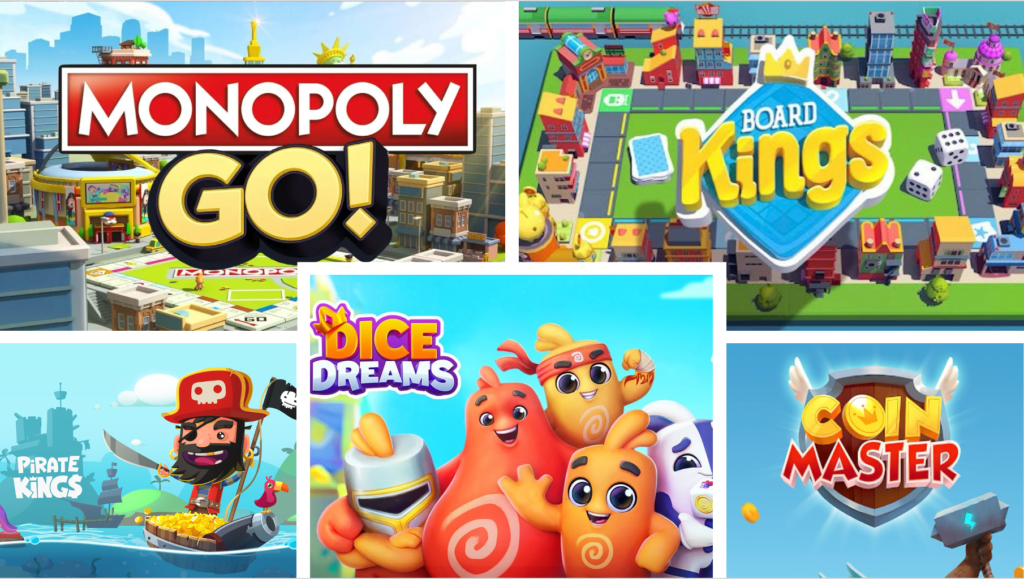
Choose Coin Master if you prefer fast-paced, spin-driven progression. Opt for Monopoly Go if you enjoy structured events, collection mechanics, and team coordination.
Progression & Monetization Models
Both games operate on freemium models, but their pacing differs. Coin Master’s village costs scale steeply, making mid-tier progression feel gated without event alignment or steady play. Monopoly Go’s dice economy is more predictable, with clearer milestone targets and album completion rewards. Monetization in both titles focuses on convenience: spin packs, dice bundles, and cosmetic items.
Neither game forces spending to progress, but both benefit from strategic timing. In 2026, both developers have reduced paywall friction by increasing free event frequency and improving resource drip rates. Avoid impulse purchases; track your progression curves and align spending with multiplier events. Legitimate advancement relies on consistency, not cash injections.
Social & Multiplayer Features
Coin Master’s social layer revolves around attacks, raids, and shield exchanges. Friend networks provide spin links, raid targets, and defensive coverage. Monopoly Go emphasizes cooperative play: partner events, team tournaments, and sticker trading require coordination. Both games integrate with Facebook and in-game friend systems, but Monopoly Go’s trading ecosystem demands more active communication.
Coin Master’s social interactions are more asynchronous, while Monopoly Go encourages scheduled collaboration. If you prefer light, occasional engagement, Coin Master fits better. If you enjoy structured teamwork and community coordination, Monopoly Go aligns with your style. Both enforce anti-toxicity measures and reporting tools to maintain healthy interactions.
Event Structures & Long-Term Engagement
Event design drives retention in both games. Coin Master rotates village themes, card sets, and raid tournaments on weekly cycles. Monopoly Go features sticker albums, partner milestones, and board challenges with quarterly rotations. Both reward daily login, consistent participation, and milestone tracking. In 2026, event pacing has been optimized to reduce burnout: cooldowns are shorter, reward disclosures are transparent, and anti-bot systems prioritize human engagement patterns. Long-term success in either game depends on routine, not binge play. Set realistic daily goals, track event calendars, and avoid FOMO-driven spending. Both titles are designed for years of casual engagement, not short-term completion.
Who Should Play Which?
Your choice hinges on playstyle preferences. Coin Master suits players who enjoy quick sessions, reactive decision-making, and light social competition. It’s ideal for commuters, casual gamers, and those who prefer asynchronous interaction. Monopoly Go appeals to planners, collectors, and cooperative players who thrive on structured events, team goals, and trading dynamics.
It rewards consistency, communication, and long-term album tracking. Budget-wise, both games are sustainable without spending, but Monopoly Go’s predictable pacing may feel less frustrating for free-to-play users. Time commitment is similar: 15–30 minutes daily maximizes progression in either title. Neither requires hardcore dedication, but both benefit from routine.
Conclusion
Coin Master and Monopoly Go offer distinct but equally rewarding casual gaming experiences. The “better” game depends on your preferred pacing, social style, and progression preferences. Both have evolved in 2026 to prioritize fair economies, transparent events, and player safety.
Avoid comparing them as competitors; instead, view them as complementary options within the mobile casual space. Choose based on your daily routine, engagement style, and long-term enjoyment. Whichever you pick, stick to official channels, track milestones, and play sustainably. Mobile gaming thrives on consistency, not shortcuts.


