Have you ever watched a television show that stays with you long after the credits roll? Not just a show you enjoyed, but one that actually parked itself in a corner of your mind, quietly nudging your perspectives on life, death, and the connections we make along the way?
For millions of viewers worldwide, that show is Guardian: The Lonely and Great God—often simply referred to as Goblin. It originally aired in late 2016, yet here we are in 2026, and it remains one of the most frequently recommended, deeply discussed, and passionately defended K-dramas in existence.
But why? In a global entertainment landscape absolutely saturated with streaming content, what makes this supernatural romance tick? Is it just nostalgia, or does this drama possess a timeless, human quality that defies the usual shelf-life of a binge-worthy series? Let’s sit down, talk it out, and explore why this show deserves a spot on your watchlist—or a prominent place in your re-watch queue.
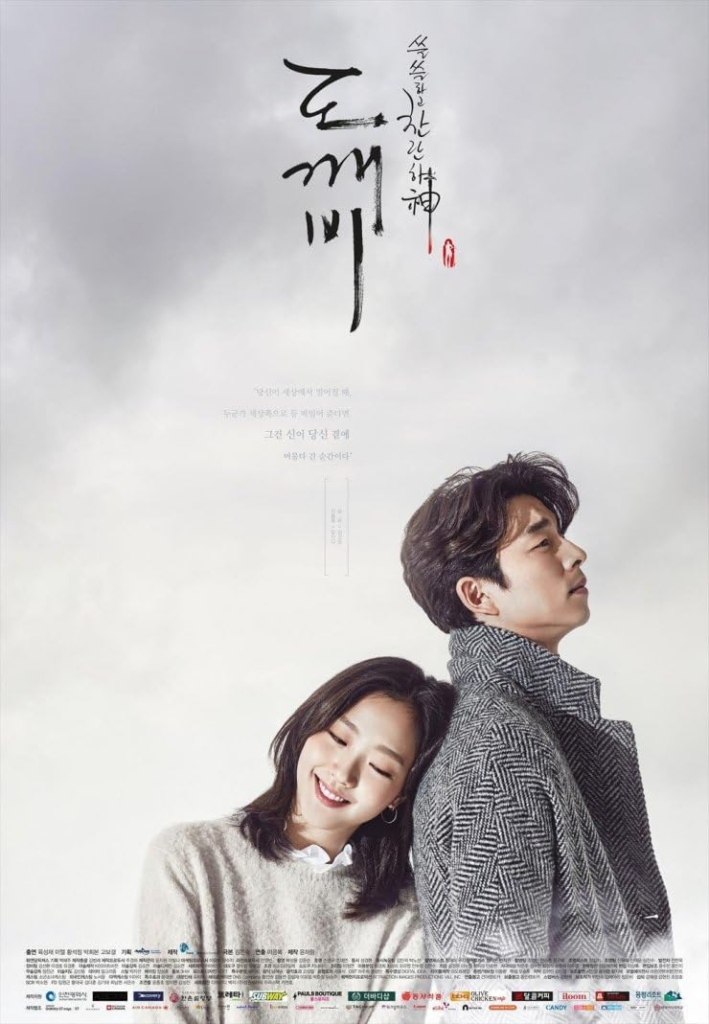
Beyond the Hype: What Actually is “Guardian”?
First, let’s strip away the hype and look at the bones of the story. Guardian: The Lonely and Great God is a South Korean fantasy romance written by the brilliant Kim Eun-sook (who also penned hits like Descendants of the Sun).
A Genre-Bending Premise
On the surface, the premise sounds like a high-concept fairytale. Our protagonist, Kim Shin, is an immortal goblin. But he isn’t the green, warty creature of Western folklore. He is a decorated, sorrowful military general from the Goryeo Dynasty who was betrayed and killed by a jealous king. As a punishment for the blood he spilled, the gods cursed him with immortality and an endless life of loneliness.
His only hope for relief? Finding a “Goblin’s Bride”—a human who can pull the magical sword embedded in his chest, which will end his eternal life and allow him to finally pass on. He finds her in Ji Eun-tak, a bright, cynical, yet resilient high school girl who can see ghosts.
Guardian : The Lonely and Great God | Official Trailer | CJ ENM
But here is the twist that makes the drama special: it is not just about the goblin and his bride. The plot is simultaneously driven by a mysterious Grim Reaper (who has amnesia), the Goblin’s nephew, and a divine, meddling younger sister. It is a tangled web of past lives, fate, and the profound ache of lost time.
The Star-Studded Alchemy of the Cast
If you are a fan of Korean cinema, you know the cast is the equivalent of an Avengers-level lineup. Gong Yoo (from Train to Busan) delivers a career-defining performance as the goblin, Kim Shin. He masters the art of playing someone who is simultaneously ancient, weary, misanthropic, and yet startlingly vulnerable. Opposite him is the brilliant Lee Dong-wook as the Grim Reaper, who brings an incredibly melancholic, puppy-dog charm to the character.
Then we have Kim Go-eun as Ji Eun-tak. Her portrayal of a teenager who has been through tragedy but refuses to be a victim is nothing short of magnetic. The chemistry between the three leads is palpable. They don’t just act together; they breathe life into each other’s characters.
The Secret to its Longevity: The “Human Touch” of the Story
We have established that it has a great cast and a fun premise. But that is true of dozens of K-dramas. Why does this one survive the test of time? I believe it is because the writers mastered the art of the “human touch.” They took a fantasy setting and used it to explore the rawest, most relatable human emotions.
Mortality, Love, and the Weight of Eternity
At its core, this isn’t a show about magical swords and glowing portals. It is a show about waiting.
Imagine living for nearly a thousand years. You watch every friend you ever love grow old, wither, and die. You witness centuries of war, peace, and generational shifts. The show doesn’t just tell us Kim Shin is lonely; it shows us. We see him eating alone in a vast, empty house. We see him walking through a snowstorm, looking for a sign of hope.
When he falls in love with Eun-tak, the tragedy is deeply palpable. He knows that if he pulls the sword to end his life, he leaves her. But if he doesn’t, he will watch her grow old and die while he stays young forever. This impossible choice is the beating heart of the drama. It poses a question we rarely ask ourselves: What is the price of loving someone when time is not on your side?
The Bromance That Stole the Show
While the romance is iconic, there is another relationship that many viewers (myself included) find even more emotionally resonant: the “bromance” between the Goblin and the Grim Reaper.
These two ancient beings are forced to live together as housemates. The way they bicker over refrigerator food, argue about which ghost they saw first, and casually threaten to kill each other is pure comedic gold. But underneath the hilarious banter lies a profound mutual respect. They are two men who carry the crushing weight of their own pasts. They are the only immortal beings in the room, and they fundamentally understand each other’s pain without needing to speak it.
When the show moves into its darker, more heartbreaking moments, the silent solidarity between the Goblin and the Reaper becomes the emotional anchor. It reminds us that even the most solitary among us need a shoulder to lean on.
The Visual Poetry: Cinematography that Sings
We cannot discuss Guardian without acknowledging its cinematography. This show is a textbook example of how to use a camera to evoke emotion. Director Lee Eung-bok and his team didn’t just film scenes; they painted moving pictures.
The “Guardian” Aesthetic
The color grading of Guardian is iconic. The show often utilizes cool, muted blues and greys to underscore the melancholy of the Goblin’s eternal life. But whenever Eun-tak appears, a warmth creeps into the screen—golden-hour lighting, sun-drenched apartments, and soft sepia tones.
Then there are the scenes filmed in Quebec, Canada. The episode where the Goblin takes Eun-tak to a field of blazing red maple leaves is legendary. It is romantic, certainly, but it also represents the “human” world he is desperately trying to belong to. It is a visual feast that makes you want to pause and simply absorb the frame.
The Soundtrack That Defines a Generation
A great drama needs a great soundtrack, and Guardian delivered one of the best in K-drama history. If you are even vaguely familiar with the show, you already know the opening notes to “Stay With Me” by Punch and Chanyeol. That song isn’t just background music; it is a character itself. It signals the arrival of tears, the intensity of the romance, and the weight of the impending tragedy. The OST weaves into the emotional fabric of the storytelling, catching you off-guard even during a rewatch.
The Swan Song of a Masterpiece (The Ending Debate)
Now, we have to tackle the elephant in the room: the ending. If you talk to ten different fans of Guardian, you might get ten different opinions on the finale. Let’s talk about it without spoiling the minute details for our first-time viewers.
Spoiler-Free Breakdown of the Finale
Korean dramas have a reputation for final episodes that sometimes feel rushed or convoluted. However, the finale of Guardian is very much in line with the show’s philosophical roots. It deals heavily with the concepts of karma and reincarnation.
The ending does not give the audience a “happily ever after” in the traditional, Western fairy-tale sense. It gives something more valuable: a “meaningful ever after.” The show asks, “If you know you are going to lose someone, does that make the time you spent together less valuable?” The answer it provides is a resounding no.
What the Ending Says About Love and Letting Go
What I deeply appreciate about the writing is that it respects the intelligence of the audience. It doesn’t try to magically erase the tragedy of the Goblin’s existence. Instead, it allows the characters to make choices that are true to who they are.
The ending serves as a beautiful, painful, and ultimately hopeful meditation on letting go. It teaches us that love is not just about possessing someone in the present; it is about the impact they leave on your soul, regardless of the timeframe. It’s a message that sticks with you, making you reflect on your own relationships long after the TV is turned off.
Is This K-Drama Right for You in 2026?
If you haven’t seen it yet, you might be wondering if it is too dated. Let me assure you: the themes of Guardian are timeless. The writing, visuals, and acting haven’t aged a day.
It’s Not Just for Romance Fans
I must stress that this drama isn’t exclusively for those who love romantic tropes. If you are a fan of serious character studies, fantasy world-building, or even just brilliantly executed dark comedy, Guardian delivers. The dialogue is sharp, the pacing keeps you hooked, and the supporting cast adds rich layers to the universe.
The One Important Trigger Warning
As your “trusted” reviewer, I must offer a sincere trigger warning. Guardian deals explicitly with suicide, extreme grief, and the trauma of loss. Kim Shin’s death in the past is violent and unjust, and the Grim Reaper’s past is filled with pain. The show explores these themes with respect and sensitivity, but they are incredibly heavy. If you are currently navigating deep grief, this might be an emotionally overwhelming watch. It is not a “light and fluffy” romantic comedy. It is a melancholic masterpiece that requires emotional stamina.
Conclusion: A Timeless Guardian of Our Hearts
To end this tribute, I want to leave you with this thought: Guardian: The Lonely and Great God succeeds because it refuses to talk down to its audience. It blends the ridiculous with the sublime, the slapstick comedy with the tragic, and the magical with the mundane.
It reminds us that being human is messy and brief, but it is also incredibly beautiful. The show serves as a mirror, reflecting our own fears of mortality and our desperate desire for connection. It is a drama that entertains, makes you sob, and ultimately leaves you feeling a little more appreciative of the people you love.
Whether you are watching the maple leaves fall in Quebec or simply sitting in your living room, Guardian invites you to sit with your feelings. That is what great storytelling does. It doesn’t just tell a story; it makes you feel alive.
Now, let’s chat in the comments! If you have already watched the show, I want to know: which scene broke you the most? Was it the sword-pulling, the reaper’s past, or something else entirely? And if you haven’t watched it yet, what’s stopping you? Let’s talk about this masterpiece together.