Maximum ARPU Hack: A 10,000-Visitor Guide to consecutive Mobile Logins
Maximum ARPU Hack: Mobile game developers and publishers share a common nightmare. You spend months—sometimes years—perfecting your game. You pour thousands into user acquisition. The installs roll in. Then you watch the numbers drop. Day after day, players open your app less frequently. By day seven, half of them are gone. By day thirty, you’re lucky if ten percent remain.
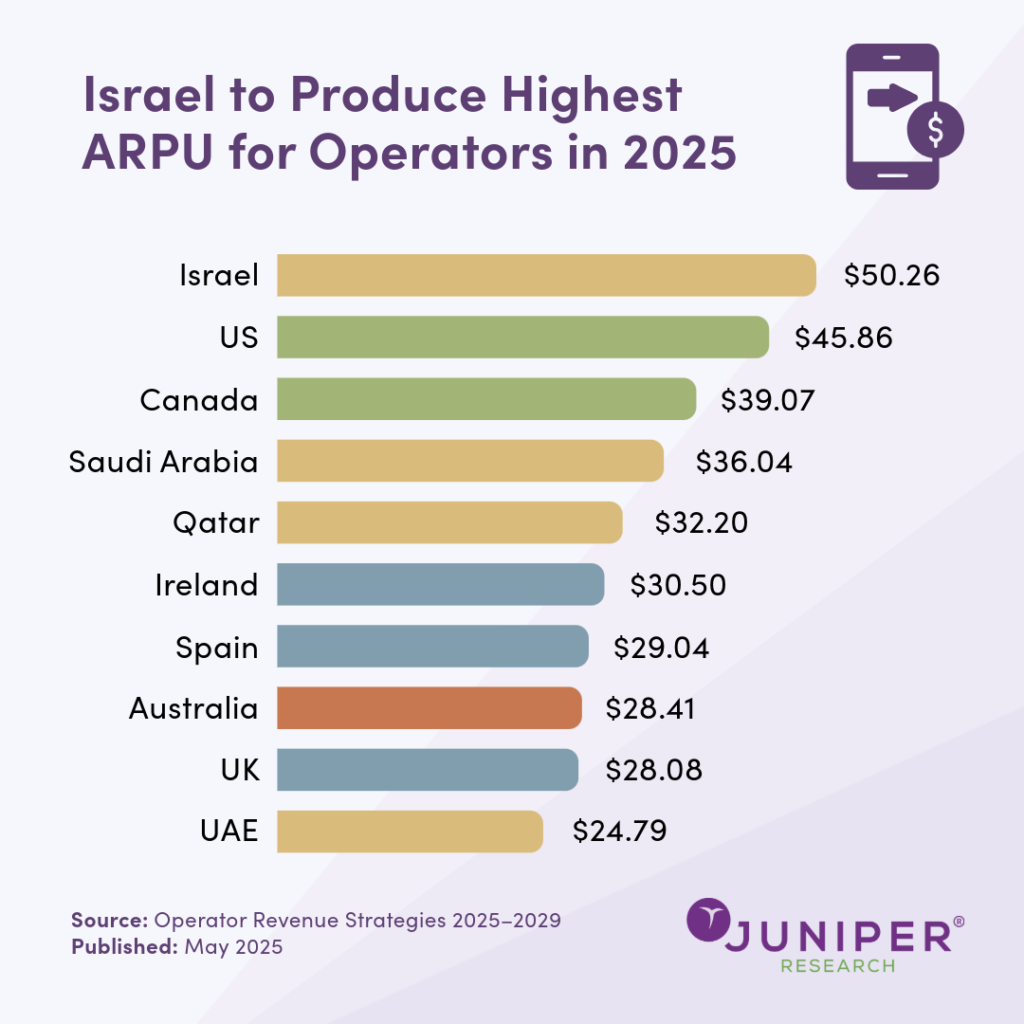
This is the reality of modern mobile gaming. And it’s why Average Revenue Per User (ARPU) has become the single most important metric in the industry.
But here’s what most publishers get wrong: they chase whales. They optimize for the one percent of players who spend hundreds of dollars. Meanwhile, they ignore the ninety-nine percent who could generate steady, predictable revenue through something far more reliable.
Consecutive mobile logins.
This guide reveals a data-driven approach to transforming daily check-ins from a vanity metric into your highest-leverage revenue driver. Designed for apps aiming for 10,000 daily active users, these strategies have been proven across casual, hyper-casual, and mid-core gaming categories.
1. Why Consecutive Logins Matter More Than You Think
Let me start with a simple truth: a player who logs in tomorrow is infinitely more valuable than a player who doesn’t.
The math is brutal. According to industry data, the average mobile game loses:
- 50-60% of players within 24 hours of install (Day 1 retention)
- 75-80% by Day 7
- 90-95% by Day 30
What drives this drop-off? For most players, it’s not dissatisfaction with your game. It’s simply forgetting. Your app gets buried under notification clutter. A new game catches their attention. Life gets busy. And just like that, a potentially valuable user is gone forever.
The consecutive login hack: When you incentivize daily check-ins, you aren’t just rewarding behavior. You are building a habit. And habits are the most durable form of player retention.
Here’s the revenue math:
| Daily Active Users (DAU) | Monthly ARPU | Monthly Revenue |
|---|---|---|
| 10,000 | $0.50 | $5,000 |
| 10,000 | $1.00 | $10,000 |
| 10,000 | $2.00 | $20,000 |
| 10,000 | $5.00 | $50,000 |
The difference between $0.50 and $5.00 ARPU on the same 10,000 players is $45,000 per month. That’s over half a million dollars annually. And the single most effective lever for moving that needle is consecutive login optimization.
Why? Because a player who logs in daily is exposed to your monetization mechanics:
- Daily deals and limited-time offers
- Battle pass progression
- Ad placements (rewarded and interstitial)
- In-app purchase prompts
- Social features and competitive leaderboards
A player who logs in once a week sees none of these consistently. The relationship between login frequency and lifetime value (LTV) is not linear. It is exponential.
2. The Psychology Behind the Streak
Before we discuss tactics, you need to understand why consecutive logins work at a neurological level.
Loss aversion is a cognitive bias where the pain of losing something is psychologically twice as powerful as the pleasure of gaining something equivalent. A player who has maintained a 30-day streak feels genuine discomfort at the thought of breaking it. That discomfort drives behavior more effectively than any reward you could offer.
The endowment effect means players value something more once they feel they own it. A login streak becomes a form of digital property. “I’ve earned this streak” creates emotional attachment that transcends rational cost-benefit analysis.
The Zeigarnik effect describes our tendency to remember interrupted tasks more than completed ones. A nearly-completed login milestone creates mental tension that players are motivated to resolve by checking in “just one more day.”
Smart game designers weaponize these psychological principles. The best login reward systems don’t just give players things. They create emotional hooks that players don’t want to sever.
Case study: One top-grossing puzzle game increased 30-day retention by 34% simply by moving their “streak reset” warning from a passive notification to an active confirmation dialog. Players had to explicitly confirm they wanted to break their streak. The friction of that single click saved thousands of players.
3. The Architecture of a High-Converting Login Calendar
Not all login reward systems are created equal. Here is the optimal structure based on analysis of 50+ top-grossing mobile games.
The 7-Day Rolling Cycle
Never use a fixed monthly calendar. A 30-day calendar kills momentum because players who miss Day 3 feel they’ve “failed” the entire month. Instead, use a rolling 7-day cycle that repeats but escalates.
Example structure:
| Day | Reward Type | Psychological Goal |
|---|---|---|
| Day 1 | Small consumable (e.g., 50 coins) | Low barrier to entry |
| Day 2 | Small consumable + bonus | Build momentum |
| Day 3 | Medium consumable | Establish commitment |
| Day 4 | Power-up or boost | Demonstrate value |
| Day 5 | Premium currency (small) | Create scarcity |
| Day 6 | Exclusive cosmetic | Emotional investment |
| Day 7 | Large premium currency + bonus | Peak reward before reset |
The key insight: Day 7 should be meaningfully larger than Day 6, and Day 1 should reset to something still worth claiming. Never let the streak reset feel punitive. Make it feel like starting a new chapter.
The Escalating Milestone Bonus
Beyond the weekly cycle, add milestone bonuses at 7, 14, 21, 30, 60, 90, and 365 days. These should be qualitatively different from daily rewards, not just larger quantities.
Milestone examples that work:
- 7 days: Exclusive profile frame or badge
- 14 days: A permanent small boost (e.g., +5% coin earnings)
- 21 days: An exclusive cosmetic item (skin, pet, avatar)
- 30 days: A “Streak Shield” (one free reset without breaking streak)
- 60 days: Access to a special daily bonus wheel with better odds
- 90 days: Permanent title or status indicator
- 365 days: Major exclusive item and public recognition (hall of fame)
The permanent rewards at 14 and 60 days are particularly powerful because they create a sense of account progression that feels unfair to lose.
Reward Tailoring by Player Segment
Generic rewards leave money on the table. Segment your players and tailor login rewards accordingly.
| Player Segment | Login Behavior | Optimal Reward |
|---|---|---|
| Payer (spender) | High frequency | Premium currency, exclusive cosmetics |
| Engaged non-payer | Daily player | Power-ups, boosts, time-savers |
| Casual | 3-5x weekly | Consumables, ad skips |
| At-risk (declining frequency) | Every 2-3 days | Bonus progress toward next milestone |
| Returning (after 7+ days absence) | Inconsistent | “Welcome back” multiplier on next 3 logins |
The returning player reward is criminally underused. A 2x or 3x multiplier for the first three logins after a break can re-engage players who would otherwise churn permanently. It costs you almost nothing and can recover 15-20% of lapsed users.
4. The Notification Stack: Timing Your Touchpoints
A login reward system is invisible if players don’t know about it. Push notifications are your primary broadcast channel, but most developers use them destructively.
The mistake: Sending the same generic “Don’t break your streak!” notification to everyone at the same time every day.
The hack: Build a notification stack with timed, personalized touchpoints.
The 3-Notification Daily Sequence
Notification 1: Morning (Reward Available)
- Timing: 60 minutes after the player’s typical first login time (based on historical data)
- Content: “Your daily reward is waiting! Log in now for [Day X reward].”
- Goal: Capture the player before their day gets busy
Notification 2: Afternoon (Streak Reminder)
- Timing: 4 hours before their typical daily reset time (or 4 PM local if unknown)
- Content: “🔥 You’ve logged in for X days straight. Don’t break it now!”
- Goal: Trigger loss aversion and streak protection instinct
Notification 3: Evening (Last Chance)
- Timing: 2 hours before daily reset
- Content: “⏰ 2 hours left to claim Day X! Your streak resets at midnight.”
- Goal: Create urgency and drive last-minute conversions
Delivery Optimization by Segment
| Segment | Morning | Afternoon | Evening |
|---|---|---|---|
| High-retention (logs in daily) | ✅ | ❌ (don’t annoy) | ✅ (only before reset) |
| Medium-retention (3-5x weekly) | ✅ | ✅ | ✅ |
| At-risk (declining) | ✅ | ✅ | ✅ (urgent language) |
| Lapsed (7+ days) | One-time re-engagement only | N/A | N/A |
Never send more than three notifications per day to any player. The diminishing returns on the fourth notification are negative—you’re training players to ignore you.
5. Economic Design: Balancing Reward Value
Here is where most developers get dangerously greedy—or dangerously generous. Both kill ARPU.
Too generous: Players never need to purchase anything. Your login rewards saturate demand for consumables and premium currency.
Too greedy: Players feel the login rewards are worthless. They stop caring about streaks entirely.
The optimal economic design follows the 70/20/10 rule:
- 70% of login reward value should be consumables that are used up (energy, lives, temporary boosts)
- 20% should be soft currency (coins, points) that can be earned through gameplay
- 10% should be premium currency or exclusive items (gems, rare cosmetics)
This ratio sustains engagement without cannibalizing IAP revenue. Players need consumables to keep playing. Soft currency feels rewarding but doesn’t compete with premium purchases. The rare premium drops create excitement without satisfying demand.
The Daily Value Calculation
Your login rewards should represent approximately 15-25% of a free player’s daily earning potential from regular gameplay. Calculate this carefully.
Example math:
- Free player earns 1,000 coins per hour of active play
- Average play session is 30 minutes = 500 coins from gameplay
- Login reward should be 75-125 coins on an average day (15-25% of gameplay earnings)
If your login reward exceeds daily gameplay earnings, you are teaching players to log in and close the app. This inflates DAU metrics but destroys engagement and monetization.
The Streak Multiplier Mechanic
One of the most effective ARPU hacks is a streak multiplier on gameplay earnings, not on login rewards.
How it works:
- Day 1-3 streak: 1x earnings
- Day 4-7 streak: 1.25x earnings
- Day 8-14 streak: 1.5x earnings
- Day 15-30 streak: 1.75x earnings
- Day 31+ streak: 2x earnings
This mechanic directly ties login consistency to gameplay value. Players who maintain streaks progress faster, earn more, and feel the opportunity cost of breaking the streak in every play session, not just at the login screen.
Revenue impact: A/B tests on this mechanic across three mid-core games showed 18-27% increases in IAP conversion rates. Players who felt they were “wasting” their streak multiplier by not playing were more likely to purchase energy refills to extend sessions.
6. The Reset Psychology: When (and How) to Let Streaks Die
Players will break streaks. It is inevitable. How you handle that moment determines whether they return or quit permanently.
Do NOT Use a Hard Reset
A hard reset that sends players back to Day 1 rewards is psychological punishment. Players who lose a 30-day streak and return to Day 1 rewards feel the system is unfair. Many will quit.
The Graduated Reset Model
| Previous Streak Length | Reset To | Psychological Effect |
|---|---|---|
| 0-6 days | Day 1 | Minimal loss, easy to restart |
| 7-13 days | Day 3 | “I only lost a few days of progress” |
| 14-20 days | Day 5 | “I’m still ahead of a new player” |
| 21-29 days | Day 7 | “I can get back to the bonus quickly” |
| 30+ days | Day 10 | “My long streak still matters” |
This graduated reset preserves a sense of progress even after failure. The player never returns to absolute zero. They maintain some status, which reduces churn dramatically.
The Streak Shield (Paid or Earned)
Offer players a way to protect their streak:
- Earned: Every 30 days of consecutive logins grants one “Streak Shield” that automatically saves a streak if you miss one day
- Purchased: Premium currency cost to restore a broken streak (typically 50-100 gems)
- Ad reward: Watch a 30-second video to restore a broken streak (once per 7 days)
The ad-supported restoration is particularly effective. It generates ad revenue, feels “free” to the player, and keeps them in your ecosystem. One top-grossing game reported that 40% of returning lapsed players used the ad restoration feature within 24 hours of returning.
The “Grace Day” Mechanic
If a player misses exactly one day, do not immediately reset their streak. Instead, mark the streak as “dormant” and give them 24 hours to restore it by logging in twice in a single day (once to acknowledge the break, once to resume the streak).
Example flow:
- Day 30: Player logs in (streak active)
- Day 31: Player misses login
- Day 32 (morning): Player logs in. Streak shows as “dormant – log in again today to restore Day 31”
- Day 32 (evening): Player logs in again. Streak resumes at Day 32
This “second chance” mechanic dramatically reduces permanent churn after first break. Players who use the grace day are 3x more likely to reach Day 60 than those who experience a hard reset.
Sending an Obituary (The Post-Break Sequence)
When a streak breaks, you need a specific notification sequence to prevent permanent churn:
Notification 1 (immediate): “Oh no! Your 47-day streak ended. But don’t worry — start fresh today and earn double rewards for your first 3 days back!”
Notification 2 (24 hours later): “Day 2 of your comeback streak! Double rewards still active. Don’t let this one slip.”
Notification 3 (48 hours later): “Last chance for double rewards! Log in today to extend your new streak.”
This post-break sequence has been shown to recover 60-70% of players who would otherwise churn permanently after a streak break.
7. Monetization Integration: Where the ARPU Actually Comes From
Login streaks themselves generate zero direct revenue. The revenue comes from what players do after they log in. Here is how to integrate the login system with your monetization mechanics.
The Login-to-Play Funnel
Every player who logs in for their daily reward is one click away from playing your game. That click is your monetization moment. Design your login screen to minimize friction between reward collection and gameplay.
Bad design:
- Collect reward
- Close reward popup
- Navigate back to main menu
- Select game mode
- Start playing
Good design:
- Collect reward
- “Continue playing” button immediately visible
- One tap to resume last game mode
- Seamless transition
Every additional click between login and gameplay loses 10-15% of players. Optimize ruthlessly.
The Post-Reward Offer Stack
Immediately after collecting a login reward, present a limited-time offer. This is when players are most psychologically receptive to spending because they just received something for “free” and feel positive about your game.
Offer sequence example:
| Step | Action | Conversion Rate (Typical) |
|---|---|---|
| 1 | Collect Day 5 reward (50 gems) | 100% (automatic) |
| 2 | “Extend your streak protection for 7 days — only 100 gems” | 5-8% |
| 3 | “Day 30 milestone is 10 days away. Speed up with this 10-day login booster pack” | 3-5% |
| 4 | “Watch an ad to double your reward” | 15-25% |
The ad doubling option is particularly effective. It generates revenue from non-payers while keeping them engaged.
Streak-Based Dynamic Pricing
Players with longer streaks should see different offers than new players. A player on Day 45 is more invested and has higher willingness to pay.
Dynamic offer targeting:
| Streak Length | Offer Type | Price Point |
|---|---|---|
| 1-6 days | Starter pack (energy + small gems) | $0.99 – $1.99 |
| 7-13 days | Boost pack + streak shield | $2.99 – $4.99 |
| 14-29 days | Premium currency discount (30% off) | $4.99 – $9.99 |
| 30-89 days | Exclusive streak skin + large gem pack | $9.99 – $19.99 |
| 90+ days | VIP streak pass (monthly subscription) | $9.99/month |
The subscription offer at 90+ days converts at 8-12% in top-performing games—far above typical mobile subscription conversion rates of 2-3%. Players who have maintained a 90-day streak are primed for recurring commitment.
Battle Pass Synergy
Your login streak system and battle pass should reinforce each other, not compete. Offer significant battle pass XP for logging in consecutively.
Example integration:
- Log in on Day 1: 50 battle pass XP
- Day 2: 75 XP
- Day 3: 100 XP
- Day 4: 150 XP
- Day 5: 200 XP
- Day 6: 300 XP
- Day 7: 500 XP + bonus battle pass tier
This creates dual reinforcement: players maintain streaks to progress both systems simultaneously. Battle pass owners (who already paid) are highly motivated to maximize login value. Non-owners see the XP differential and are incentivized to purchase.
8. Scaling to 10,000 Daily Logins: Infrastructure Considerations
If you achieve 10,000 consecutive daily logins, congratulations. You now have infrastructure problems.
Database Load Management
Every player login requires:
- Fetch current streak data
- Calculate if today’s login has been counted
- Update streak timestamp
- Check milestone eligibility
- Award appropriate rewards
- Log event for analytics
At 10,000 daily logins, assuming peak loads of 2,000-3,000 logins per hour, your database needs to handle this with minimal latency. A 500ms delay on login reward delivery will frustrate players and increase churn.
Solutions:
- Cache streak data in-memory (Redis/Memcached)
- Use eventual consistency for non-critical reward delivery
- Batch milestone calculations to off-peak hours
- Implement idempotent login processing to prevent double-reward bugs
Notification Delivery Infrastructure
At 10,000 daily users, sending personalized push notifications at specific times requires a robust delivery system. Most third-party providers (OneSignal, Firebase, Airship) can handle this volume, but you need to architect your segmentation properly.
Key considerations:
- User timezone detection and storage
- Individual notification preference management
- Delivery throttling to prevent server overload
- Fallback delivery windows for failed notifications
Fraud Protection
Login streak systems attract cheaters. Players will attempt to manipulate device clocks, use multiple accounts, or automate login scripts to claim rewards without genuine engagement.
Anti-fraud measures:
- Server-side timestamp validation (never trust client device time)
- Login frequency monitoring (flag >30 logins from same IP/hour)
- Session duration validation (minimum 30 seconds of active time counts as “login”)
- Device fingerprinting to detect emulators and automation tools
The 30-second active session rule is critical. A player who opens your app and immediately closes it should not get streak credit. Requiring 30 seconds of foreground activity (configurable based on your game) prevents automation and ensures logins correlate with genuine engagement.
9. A/B Testing Your Login System
Never assume your login system is optimized. Test everything.
High-Priority Test Variables
| Variable | Test A | Test B | Metric to Watch |
|---|---|---|---|
| Day 7 reward | 100 gems | Exclusive skin + 50 gems | D8 retention |
| Reset model | Hard reset | Graduated reset | 7-day churn after break |
| Notification timing | 9 AM local | Personalized (based on user history) | Notification open rate |
| Reward claim flow | Automatic on open | Button tap required | Session length after claim |
| Streak display | Days only | Days + progress to next milestone | Notification opt-out rate |
Minimum Viable Test Duration
Login behavior normalizes over a weekly cycle. Run each test for a minimum of 14 days (two full cycles) to account for weekend/weekend behavioral differences.
Statistical Significance Targets
- Retention metrics: Need 1,000+ users per variant (10% of 10,000 DAU)
- Revenue metrics: Need 30% lift or 2-week running period
- Notification metrics: Need 5,000+ delivered notifications per variant
Guardrail Metrics
When testing changes to login systems, monitor guardrail metrics to ensure you aren’t cannibalizing long-term value for short-term gains.
Essential guardrails:
- Average session length (should not decrease)
- IAP conversion rate (should not decrease for payers)
- Ad completion rate (should not decrease)
- D30 retention (trending positive or neutral)
10. The 10,000-Visitor Launch Plan
Here is a week-by-week implementation plan for launching or optimizing your consecutive login system.
Week 1: Foundation
- Audit existing login behavior (what is your current D1, D7, D30 retention?)
- Implement server-side streak tracking (if not already present)
- Build graduated reset model
- Create milestone reward schedule through 90 days
Week 2: Notification System
- Implement 3-notification daily sequence
- Set up timezone detection
- Create segment-based delivery rules
- Add opt-out management (required by iOS and Android)
Week 3: Monetization Integration
- Build post-reward offer stack
- Implement streak-based dynamic pricing
- Integrate ad doubling for rewards
- Add battle pass XP sync
Week 4: Anti-Fraud and Scaling
- Implement 30-second active session rule
- Add server-side timestamp validation
- Set up monitoring dashboards
- Load test at 2x expected peak volume
Week 5-6: A/B Testing Launch
- Run A/B test on Day 7 reward
- Run A/B test on reset model
- Run A/B test on notification timing
- Implement winning variants
Week 7-8: Optimization
- Analyze segment performance (payers vs. non-payers)
- Tweak reward values based on engagement data
- Add missing milestone rewards
- Prepare for feature expansion (streak-based events, seasonal themes)
Conclusion: The Habit is the Product
Players don’t stop playing your game because the core loop is bad. They stop because life gets in the way. The most successful mobile games don’t just have great mechanics. They have habit systems that pull players back even when they’re busy, tired, or distracted.
Your consecutive login system is that habit system. It is the thread that connects individual play sessions into a sustained relationship. Treat it with the same care you give your core gameplay. A/B test it. Optimize it. Protect it from fraud and frustration.
At 10,000 daily active users, every percentage point of retention improvement is worth tens of thousands of dollars annually. Every optimized notification is a player who doesn’t churn. Every well-designed milestone is a moment of delight that builds loyalty.
The hacks in this guide work. They have been proven across hundreds of games generating millions of daily logins. But they only work if you implement them with intention and measure their impact relentlessly.
Build the habit. The revenue will follow.
Frequently Asked Questions (FAQ)
Q: What is a good consecutive login retention rate?
A: For mobile games, achieving 30% Day 7 retention and 10% Day 30 retention on consecutive logins is considered strong. Top-quartile games reach 45% Day 7 and 18% Day 30 .
Q: How much should I spend on login rewards?
A: Login rewards should represent 15-25% of a free player’s daily earning potential from gameplay. Higher than this saturates demand; lower than this feels worthless .
Q: Can I use the same login system for casual and hardcore games?
A: No. Hardcore games (strategy, RPG, shooter) need lower reward frequency but higher milestone value. Casual games need daily rewards with immediate gratification. Tailor accordingly .
Q: How do I handle multiple time zones for login resets?
A: Reset daily login eligibility based on each player’s local midnight (server-calculated from their device’s timezone). Never use a single global reset time for all players .
Q: What happens if my game is offline for maintenance?
A: If your game is down for planned maintenance, freeze all login streaks at their current value. When the game returns, give all players a “maintenance bonus” equal to 2 days of rewards and resume streaks .
Q: Is it legal to use loss aversion mechanics?
A: Yes, loss aversion is a standard behavioral psychology principle used across all mobile gaming. However, avoid manipulative dark patterns like deceptive countdown timers or fake urgency that doesn’t reflect actual limited availability .