The 34-Card Secret: Mastering the rare set bonus flow on Coin Master
The 34-Card Secret: Mastering the Rare Set Bonus Flow on Coin Master Here is a truth that most Coin Master players learn the hard way: spins are the currency of the moment, but cards are the currency of empires.
The player who understands the card system doesn’t just play Coin Master. They flow through it—completing sets in a strategic cascade that generates spins faster than any link collection ever could.
This guide reveals the “34-card secret”—not a literal count, but a framework for mastering the rare set bonus flow that turns duplicate hunting from a chore into a compounding engine of progression.
1. Why Cards Are the Real Endgame
Let me be direct. Coin Master is, on its surface, a slot machine game. But the slot machine is just the engine. The fuel is spins. And the refinery is your card collection.
Here is why cards matter more than anything else in your inventory:
| Reward Source | Typical Payout | Sustainability |
|---|---|---|
| Daily links | 10-75 spins per link | Temporary, expires |
| Friend gifts | 1-5 spins per friend | Constant, but capped |
| Passive refill | 1 spin/5 min | Reliable but slow |
| Card set completion | 500 – 18,000+ spins | Explosive, repeatable |
That final number is not a typo. Some card sets reward 15,000 to 18,000 spins upon completion . And here is the part most guides won’t tell you: because of the layered album system, completing one set often creates a domino effect that completes two or three more .
The secret: The rare set bonus flow is not about collecting every card. It is about identifying which sets are close to completion and targeting the specific bottleneck cards that unlock the cascade.
2. The Album Architecture: Understanding the Layers
Before you can master the flow, you must understand how Coin Master structures its card system.
Normal Sets vs. Seasonal Sets
Coin Master features two distinct types of card collections :
| Feature | Normal Sets | Seasonal Sets |
|---|---|---|
| Availability | Always available via standard chests | Only during specific events (Winter, Spring, Summer, Fall) |
| Trading | Daily with friends (non-Gold cards only) | Golden Trade only during live Season |
| Expiration | Permanent | Sets expire post-season; labeled “Expired” |
| Acquisition | Chests, spins, piñatas, events | Seasonal Chests & Jokers only during live Season |
The strategic implication is clear: prioritize Seasonal Sets while they are active. They have a hard deadline. Miss the window, and the opportunity vanishes until the next year—if it returns at all .
The Stars System
Every card is rated from 1 to 5 stars . This is not just decoration. Higher-star cards are rarer, appear less frequently in chests, and are the primary bottlenecks for set completion.
The 34-card insight: In a typical 9-card set, 5-6 cards will be common 1-2 star cards you will collect naturally. The remaining 3-4 cards—the 3-5 star rarities—are the true gatekeepers. Focus your Jokers and trades exclusively on these.
The Card Gallery Exchange
Most players overlook the Card Gallery, where duplicate cards can be exchanged for chests . This is a critical error. Here is the exchange structure:
| Chest Type | Stars Required | Contents |
|---|---|---|
| 75-star chest | 75 duplicate stars | 4 cards, 10-100 spins, 250 XP |
| 750-star chest | 750 duplicate stars | 6 cards, 50-500 spins, 1,300 XP |
| 3,000-star chest | 3,000 duplicate stars | 8 cards, 100-1,000 spins, 5,000 XP |
The flow tactic: Never let your duplicate stars sit idle. Exchange them strategically—ideally during a Cards Boom event, which grants 50% more cards from chest openings . The 3,000-star chest is the most efficient use of duplicates, but only if you can accumulate to that threshold without missing time-sensitive opportunities.
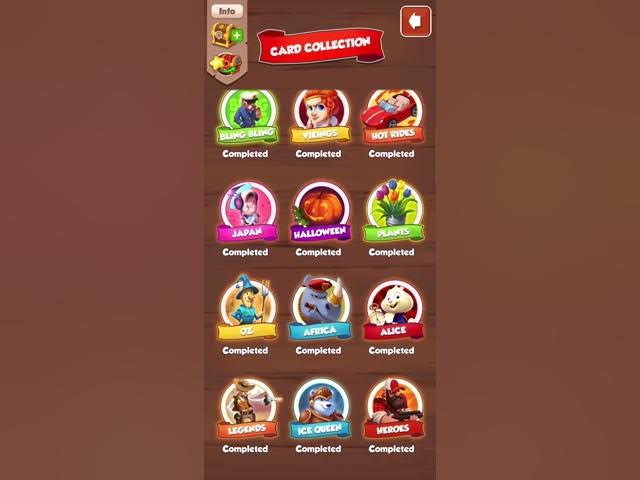
3. The Rarity Hierarchy: Which Cards Matter Most
Not all “rare” cards are created equal. Based on player-collected data, here is the actual rarity hierarchy in Coin Master :
Very Rare Cards (The True Bottlenecks)
These four cards are consistently reported as the most difficult to obtain:
- Martian Lettuce
- Torero
- Farmer Feng
- Barrel Tank
If you see any of these in a trade offer, prioritize acquiring them immediately. They are the padlocks on multiple high-value sets .
High Rare Cards (The Secondary Gatekeepers)
The next tier includes valuable cards that appear in multiple sets:
- Creaky Crow
- Elder Elk
- Satyr
- Hobby Horse
- Aztec Princess
- Kettle
- Santa
- Smoking Pipe
- Mythical Tune
These cards are not as rare as the “Very Rare” tier, but they appear less frequently than common cards. They are ideal targets for daily trades .
Gold Cards
Gold cards are a special category. They are:
- Tied to specific villages
- Only tradeable during Golden Trade Events
- Often the final piece needed for high-value sets
The strategy: During Golden Trade Events, the entire player base floods trading groups looking for specific gold cards. This is the time to be selling, not buying—unless you are one card away from a major set completion. Stockpile valuable duplicates beforehand .
4. The Joker Card Strategy (Most Important Section)
The Joker Card is the single most powerful resource in Coin Master.
A Joker can substitute for any missing card in a set. But here is what most players get wrong: they use Jokers immediately on the first card they need. This is a catastrophic error .
The Joker Hierarchy
| Card Rarity | Use Joker? | Reasoning |
|---|---|---|
| 1-2 star common | Never | You will get these naturally from chests |
| 3 star rare | Rarely | Trade for these instead |
| 4 star very rare | Sometimes | Only if it completes a high-value set |
| 5 star legendary / Gold | Yes | These are the true bottlenecks |
The official Coin Master Support guide explicitly states: “Use Joker Cards to complete the most difficult Card Sets, especially non-seasonal sets, as these sets are generally harder to complete. It’s best to use a Joker for Cards with 3-5 Stars” .
The advanced tactic: Save Jokers for the last card in a set. Never use a Joker when you still need 3-4 other cards. The odds are high that you will acquire one of those naturally while hunting for the others, rendering the Joker partially wasted.
Joker Expiration Awareness
Unlike regular cards, Jokers often have expiration timers . If you have a Joker approaching expiration and no set is close to completion, use it on the highest-star card available—preferably one that is part of multiple sets (some cards appear in more than one collection).
5. The Golden Trade Event Flow
Golden Trade Events are the most misunderstood mechanics in Coin Master. Here is how they actually work.
What they are: Limited-time windows where specific Gold Cards become tradeable between players . Outside these events, Gold Cards cannot be traded at all.
What most players do: Frantically search for the one Gold Card they need to complete a set.
What smart players do:
- Stockpile Gold Card duplicates before the event. During the event, demand skyrockets.
- Identify which Gold Cards are featured in the current event. The game only allows trading of specific Gold Cards during each event, not all Gold Cards .
- Trade aggressively in the first 6 hours. Prices (in terms of trade value) are highest immediately after the event starts.
The pro move: Join multiple trading groups on social media before the event begins. Have posts drafted with the cards you need and the cards you are offering. When the event starts, you want to be among the first to post—not scrambling to create accounts .
6. Event Stacking for Card Completion
This is the “34-card secret” in action: stacking multiple events simultaneously to complete sets faster than any individual event allows.
The Cards Boom Integration
Cards Boom events increase the number of cards received from chests by 50% . This is the foundation of the card flow strategy.
Here is the stacking sequence:
Step 1: Save Coins
Do not buy chests randomly. Hoard coins until a Cards Boom event is announced .
Step 2: Trigger Cards Boom
When Cards Boom activates, buy chests in bulk. The 50% card bonus applies to every chest opened during the window.
Step 3: Complete Achievements Simultaneously
Check your Golden Pass and Achievement missions before opening chests. Some missions reward additional spins or cards for opening a certain number of chests. Stacking these with Cards Boom multiplies your gains .
Step 4: Exchange Duplicates During the Window
The Card Gallery exchange also benefits from Cards Boom. Exchanging duplicate stars for chests during the event yields more cards than at any other time .
The Viking Quest Integration
Viking Quest runs twice per week and rewards new cards upon completion . Time your Chest Boom spending after your Viking Quest runs—not before. Completing Viking Quest first gives you new cards that may reduce the number of chests you need to buy .
7. The Trading Economy: Give to Get
The social trading system is where most players fail. They hoard duplicates, afraid to give away value. This is backwards.
The principle of reciprocity: When you send duplicate cards to friends, they are significantly more likely to send you cards you need in return. The Coin Master Support guide confirms: “Send your duplicate cards to your friends. This’ll help them out and encourage them to help you in return. This social strategy creates a mutually beneficial cycle” .
Daily Trade Limits
The game imposes a daily trade limit for cards . This limit resets every day. The optimal strategy is simple: use every single trade every single day. Even if you are trading for cards you do not immediately need, you are building social capital and accumulating duplicates that may become valuable during future Golden Trade Events.
Where to Find Trading Partners
The official Coin Master Card Trading group on social media is the most reliable source for finding specific cards . When posting trade requests:
- Be specific about what you need and what you are offering
- Respond quickly—trades move fast
- Build reputation by following through on commitments
8. The Rare Set Bonus Flow: Putting It All Together
Here is the complete flow, from zero to a completed set cascade.
Phase 1: Foundation (Days 1-7)
- Collect daily links and passive refill spins
- Build your village to unlock new card sets (new cards unlock at Villages 3, 5, 7, 12, and beyond)
- Join active trading groups on social media
- Add 50-100 friends who actively trade
Phase 2: Accumulation (Days 7-14)
- Open chests normally, but track which sets are closest to completion
- Do not use Jokers yet
- Exchange duplicate stars for chests only during Cards Boom events
- Complete Viking Quest twice per week for guaranteed new cards
Phase 3: Targeting (Days 14-21)
- Identify your 3-4 closest sets to completion
- Identify the specific bottleneck cards in each set (almost always the 4-5 star cards)
- Use daily trades to acquire these bottlenecks from friends
- Save Jokers for the final card in the highest-value set
Phase 4: The Cascade (The Flow in Action)
This is where the “34-card secret” manifests.
You complete one set. That set rewards:
- 500 – 18,000 spins
- Often a pet or pet accessory
- Progress toward album completion
You take those spins and immediately reinvest them into chests—ideally during an active Cards Boom event. Those chests yield new cards, which often complete one or two additional sets that were previously 1-2 cards away.
This is the flow. One completion fuels the next. The spins from Set A buy the chests that complete Set B. The spins from Set B complete Set C. In a well-executed session, a single Cards Boom event can trigger 3-5 set completions in a row.
Phase 5: The Reset
After the cascade, you will have new duplicates. Exchange them during the Cards Boom window (if still active) for more chests. If the window has closed, save the duplicate stars for the next Cards Boom event.
Do not exchange duplicates outside Cards Boom. The 50% card bonus is too valuable to waste .
9. The Rewards Table: What You Are Flowing Toward
Here is what awaits at the end of each completion. These are the actual payouts for some of the most valuable sets :
| Collection | Reward |
|---|---|
| Pet Collection | 50 Free Spins |
| Beast Collection | 150 spins + Tiger pet |
| Creature Collection | 400 spins + Rhino pet |
| Viking Collection | 500 spins |
| Halloween Collection | 600 spins |
| Legends Collection | 2,000 spins |
| Heroes Collection | 5,000 spins |
| China Collection | 1,100 spins |
| Spain Collection | 10,000 spins |
| Brazil Collection | 15,000 spins |
| Warriors Collection | 15,000 spins |
| Fisherman’s Collection | 18,000 spins |
The 15,000-18,000 spin sets are the whales of the card system. Completing one of these generates enough spins to complete two or three smaller sets immediately afterward. This is the ultimate flow.
10. Common Mistakes That Kill the Flow
Mistake #1: Using Jokers Early
As covered: Jokers are for final cards in high-value sets only. Using a Joker on a 2-star card is like using a sledgehammer to hang a picture .
Mistake #2: Ignoring Seasonal Sets
Seasonal sets expire. The cards become worthless after the season ends . Prioritize seasonal completions over normal sets when a season is active.
Mistake #3: Trading Outside Golden Events
Trading regular cards is fine. But trading Gold Cards outside Golden Trade Events is impossible . Do not waste time trying. Wait for the event.
Mistake #4: Exchanging Duplicates Outside Cards Boom
The 50% card bonus from Cards Boom applies to chests obtained through duplicate exchange . Exchanging outside this window is leaving free cards on the table.
Mistake #5: Hoarding Instead of Flowing
The most common mistake. Players save spins, afraid to spend them. But spins sitting in your inventory generate zero progress. The flow requires spending spins to get cards, then using card completion rewards to get more spins. Hoarding breaks the cycle.
Conclusion: The Flow is the Strategy
There is no single “34th card” that unlocks everything. The secret is the flow—the strategic cascade of completing sets, reinvesting rewards, and timing your actions to align with events.
The player who masters this flow doesn’t wait for luck. They create it. They know that every card set is not an endpoint but a stepping stone to the next completion. They spend spins to get cards, and cards to get spins, in an accelerating cycle that leaves casual players in the dust.
The 34-card secret is not a code. It is a mindset. And once you adopt it, you stop playing Coin Master and start mastering it.
Frequently Asked Questions (FAQ)
Q: What is the rarest card in Coin Master?
A: Based on player data, the four “Very Rare” cards are Martian Lettuce, Torero, Farmer Feng, and Barrel Tank .
Q: How many spins can I get from completing all card sets?
A: Individual sets reward between 50 and 18,000 spins. The cumulative total across all sets exceeds 100,000 spins .
Q: When should I use a Joker card?
A: Use Jokers to complete the most difficult sets, specifically for 3-5 star cards. Never use them on common 1-2 star cards .
Q: How do I trade Gold Cards?
A: Gold Cards can only be traded during specific Golden Trade Events. Outside these windows, they cannot be exchanged .
Q: What is the best event for card collection?
A: Cards Boom increases card yield from chests by 50% . This is the single most important event for card hunters.
Q: Can I complete card sets without spending money?
A: Yes. Daily links, passive refill, friend gifts, Viking Quest, and strategic trading can generate enough spins to complete sets without purchases .
Q: What happens to Seasonal Sets after the season ends?
A: They expire, are labeled “Expired,” and move to the bottom of your collection. You cannot collect new cards for them or trade them after the season ends .
-
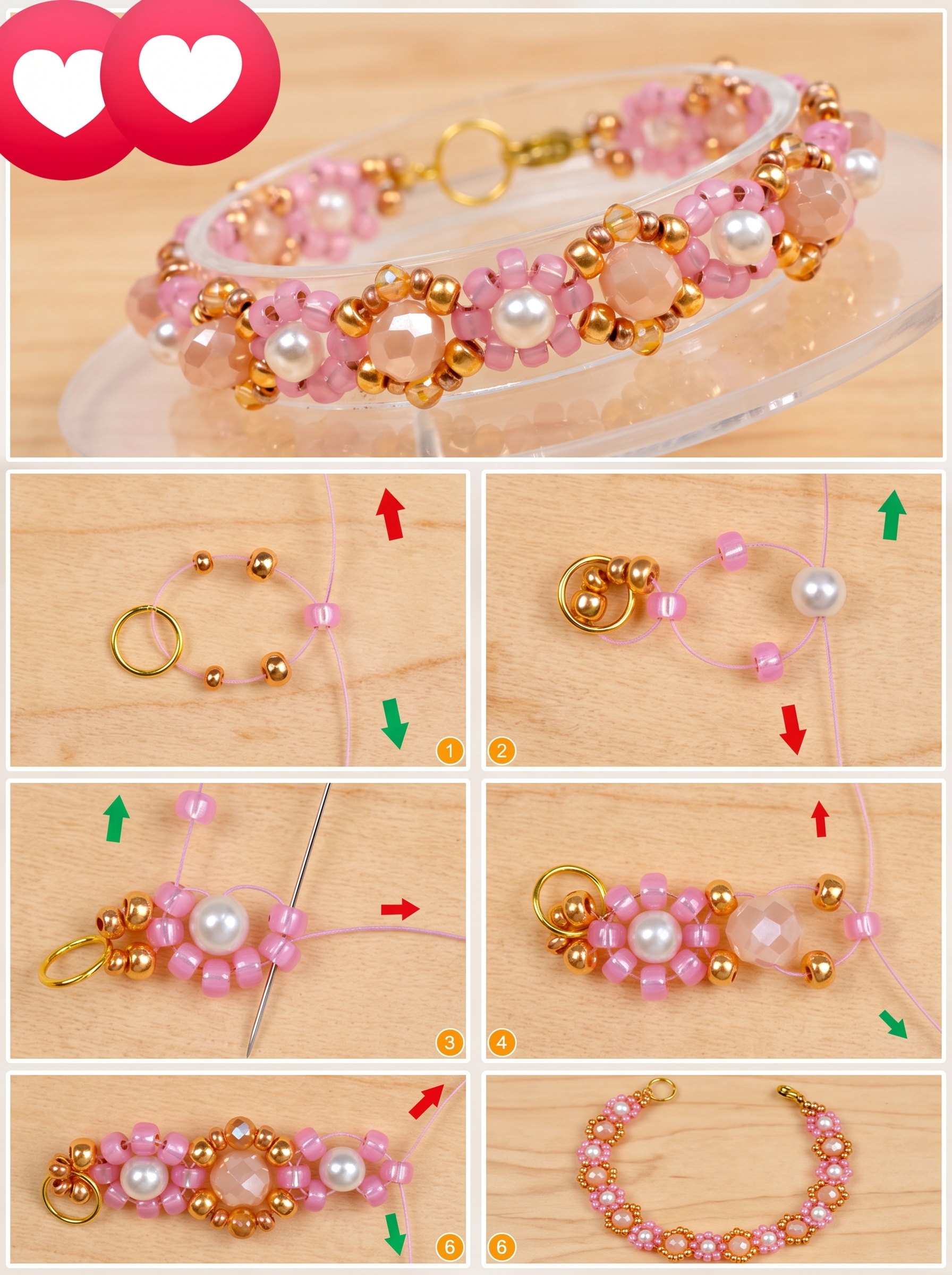
How to Make a Pink & Gold Beaded Flower Bracelet: 6-Step DIY Guide
How to make a stunning pink and gold beaded flower bracelet with this easy 6-step tutorial. Perfect for beginners using seed beads, a simple bead-weaving
-
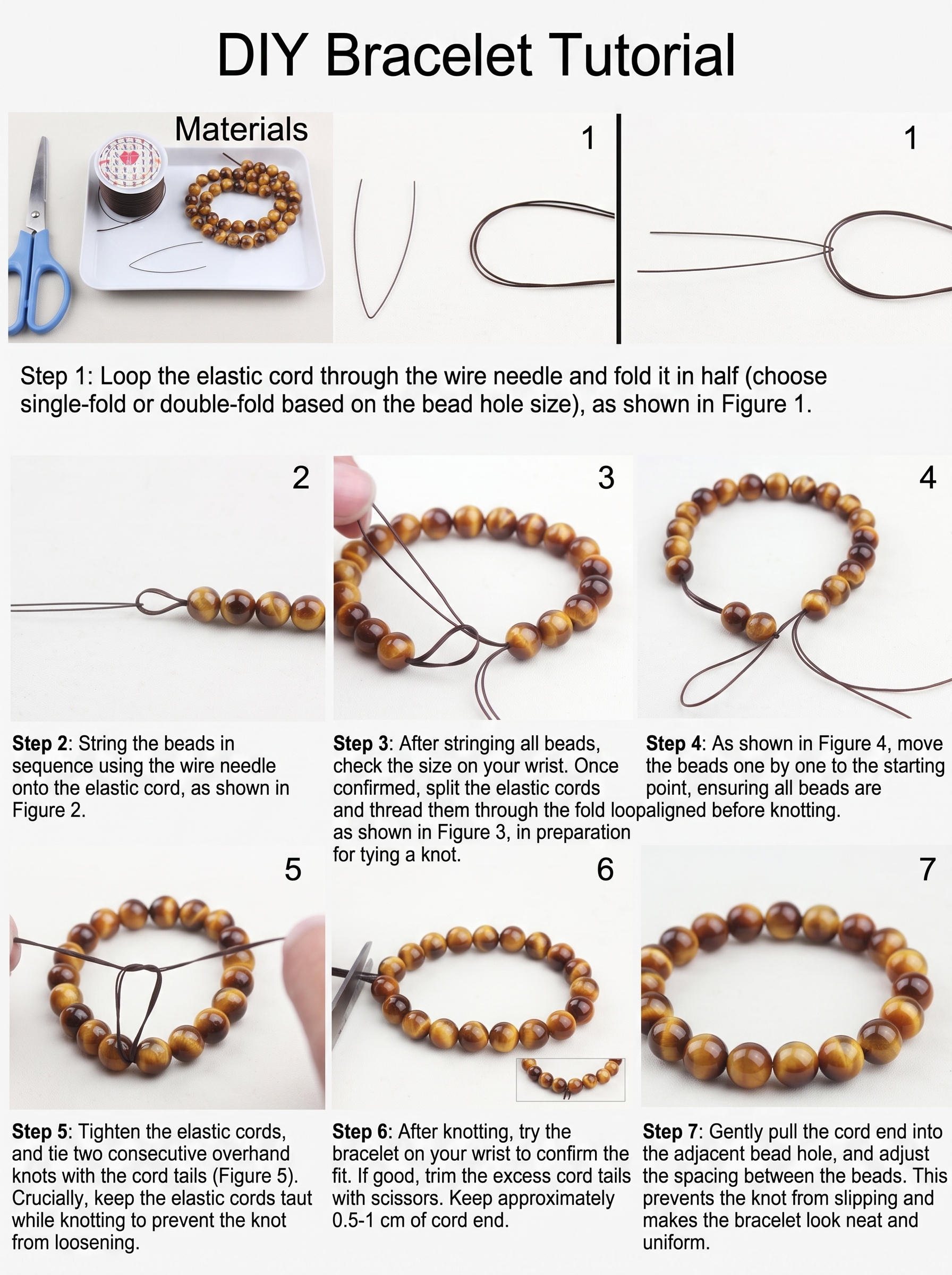
How to Make a DIY Stretch Beaded Bracelet: Easy 7-Step Beginner Guide
Learn how to make your own beautiful stretch beaded bracelets with this easy 7-step tutorial. Perfect for beginners using elastic cord, a bead needle,
-
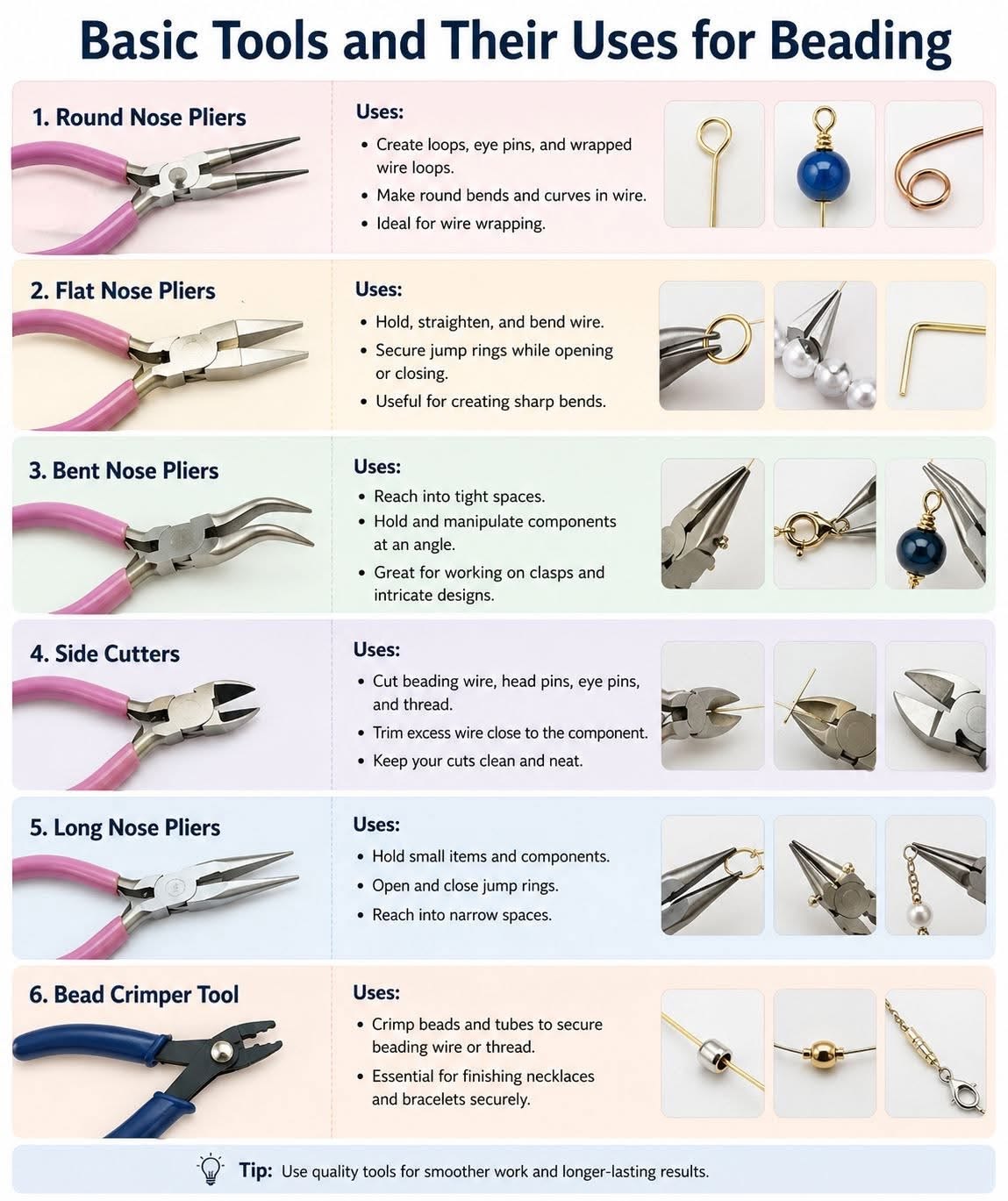
Basic Beading Tools: A Beginner’s Guide to Essential Jewelry Making Supplies
Basic Beading Tools: New to jewelry making? This beginner’s guide breaks down the 6 essential beading tools you need, including pliers, cutters, and crimpers