Journey Review 2026: I remember finishing Journey for the first time. I sat in silence as the credits rolled, feeling a strange mix of peace and loss. I had just spent two hours with a nameless, faceless traveler in a desert, and I was genuinely moved. That’s the power of this game. Over a decade later, Journey is still celebrated as one of the most unique and emotionally resonant experiences in gaming—a true piece of interactive art. But with its quiet, wordless design, is it still worth your time in 2026? Let’s explore what makes this journey so special, and why it might not be for everyone.
What Is Journey? A Wordless Pilgrimage
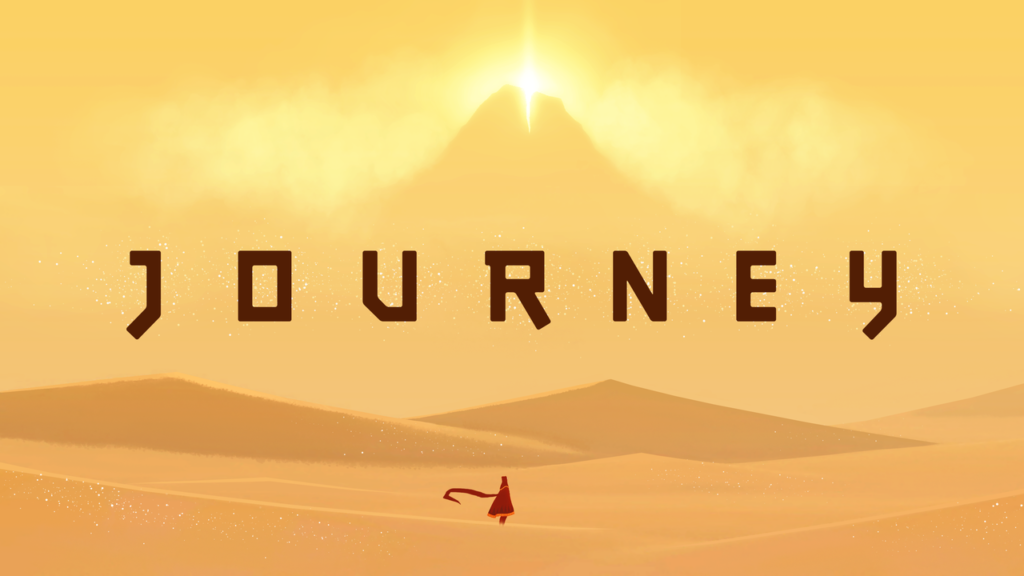
Journey is not a game in the traditional sense. It’s an “interactive poem”, a “meditation in motion”. Developed by thatgamecompany, it was first released in 2012 and has since been ported to almost every major platform, from PlayStation to PC and iOS. You control a robed figure in a vast desert, with the only goal being to reach a glowing mountain in the distance. There is no dialogue, no combat, and no traditional tutorial. The entire story is told through breathtaking visuals and a Grammy-nominated musical score by Austin Wintory.
The Good: Why It’s Considered a Masterpiece
🎨 A Spectacle of Art and Sound
The first thing that strikes you is the sheer beauty of it all. The desert landscapes, the ruins, and the shifting sands are “breathtaking”. The game is often described as “artistically perfect” by players. Combined with the “haunting” and “envoûtantes” (captivating) music, the game creates an unmatched atmosphere. It feels like you’re gliding through a living painting. The experience is so cohesive and powerful that it has “brought players to tears”.
🤝 The Power of Connection
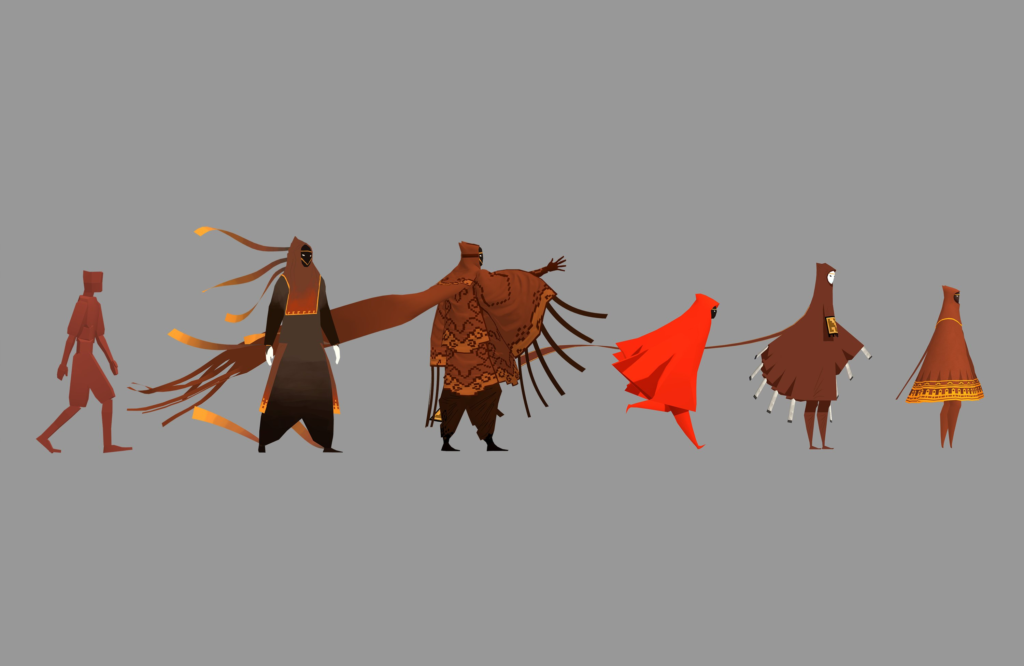
The most profound mechanic is its subtle online multiplayer. As you explore, you may encounter another player, a silent companion who appears as a fellow robed traveler. You can only communicate through simple, musical chimes. This leads to some incredibly powerful moments. Many players share stories of meeting a stranger and feeling a deep, wordless connection, even helping each other through the game’s final trials. One player beautifully described it as the “best multiplayer experience I’ve ever had”. This innovative design makes Journey a “wonderful experience that helped [players] feel not so lonely”.
The Divisive: Why It’s Not for Everyone
⏳ A Short and Minimalist Experience
The game’s biggest point of contention is its length. A full playthrough takes about two hours. For many, this is a perfect, digestible story. For others, it’s far too short, leaving them wanting more and feeling like the $15 price tag is too steep. The core gameplay is also very simple, consisting mainly of walking, gliding, and solving extremely easy puzzles. One reviewer found the whole experience “forgettable,” and the lack of any real challenge made it “more like a short film”.
🧩 The Social Element Can Be Missed
The magic of the multiplayer is entirely dependent on finding another player. The game’s user base is smaller now than it was at launch. Some players have reported completing the game entirely alone, which can lead to disappointment. If you miss the connection, the game’s central theme can fall flat. As the player base continues to dwindle, a big piece of the experience can feel “just missing”.
Journey vs. The Other Games We’ve Reviewed
How does this quiet classic stack up against the other titles we’ve explored?
| Feature | Journey | The Legend of Zelda: BotW | Red Dead Redemption 2 | Roblox |
|---|---|---|---|---|
| Core Experience | Meditative journey & wordless connection | Open-world exploration & puzzle-solving | Narrative-driven western simulator | Infinite user-created games |
| Storytelling | Visual, emotional, no dialogue | Fragmented, player-driven | Deep, character-driven drama | Generally thin; experience-dependent |
| Gameplay Focus | Movement, exploration, silent co-op | Combat, physics puzzles, exploration | Realism, shooting, horse-riding | Highly varied based on game |
| Playtime | ~2 hours | 100+ hours | ~50 hours (main story) | Variable |
| Monetization | One-time purchase | One-time purchase (DLC optional) | One-time purchase | Robux for in-game items & passes |
| Key Complaint | Too short, simple, can be lonely | Weapon durability, repetitive shrines | Slow pace, clunky controls | Child safety, predatory spending |
Journey is the polar opposite of the massive, content-rich worlds of Breath of the Wild or Red Dead Redemption 2. It’s an experience defined by its brevity and simplicity, making it more akin to an interactive film than a sprawling game.
Final Verdict: Should You Take the Journey in 2026?
Yes, but only if you know what you’re getting into.
- If you value art, atmosphere, and unique experiences: Journey is an essential title. It’s a beautiful, moving, and surprisingly profound game that will stick with you long after the credits roll.
- If you prefer action, challenge, and deep gameplay: This might not be for you. If you need constant stimulation and clear objectives, the game’s slow pace and minimalism may bore you.
My Recommendation: Journey is best approached as an experience rather than a game. Set aside an evening, put on some good headphones, and let the world wash over you. Don’t worry about “winning” or “beating” it. Just play. If you find a companion, stay with them. These are the moments that make Journey a “must-play” and a true classic of the medium.