A 2026 Guide to Energy-Efficient Architecture in Alaska
What does architecture in Alaska require in 2026? Learn permafrost foundations, extreme insulation, and energy costs for tundra homes.
Building for the Tundra: A 2026 Guide to Energy-Efficient Architecture in Alaska
Alaska is growing — quietly, deliberately, and against the logistical odds. From the resource corridors of the North Slope to the expanding healthcare hubs in Anchorage and the maritime economy of Juneau, new construction is rising on some of the most challenging terrain on Earth.
But building here is nothing like the Lower 48.
If you are planning a custom home above 60° latitude, you already know: energy efficiency isn’t a luxury. It is survival. This guide walks you through the real costs, climate-specific strategies, and regulatory realities of architecture in Alaska for 2026. Consider this your neighborly, no-nonsense blueprint from someone who respects the cold.
Why Alaska Architecture Is Different (And Harder)
Most architectural principles taught in the continental U.S. assume four moderate seasons. Alaska laughs at those assumptions. Your home must perform in -40°F winters, 50°F summers with 24-hour sunlight, and relentless freeze-thaw cycles that destroy foundations.
The Three Non-Negotiables
- Thermal continuity: No thermal bridging allowed. Every stud, every joist, every connection must be insulated.
- Vapor management: You cannot simply “seal tight” — you must control where condensation freezes inside wall cavities.
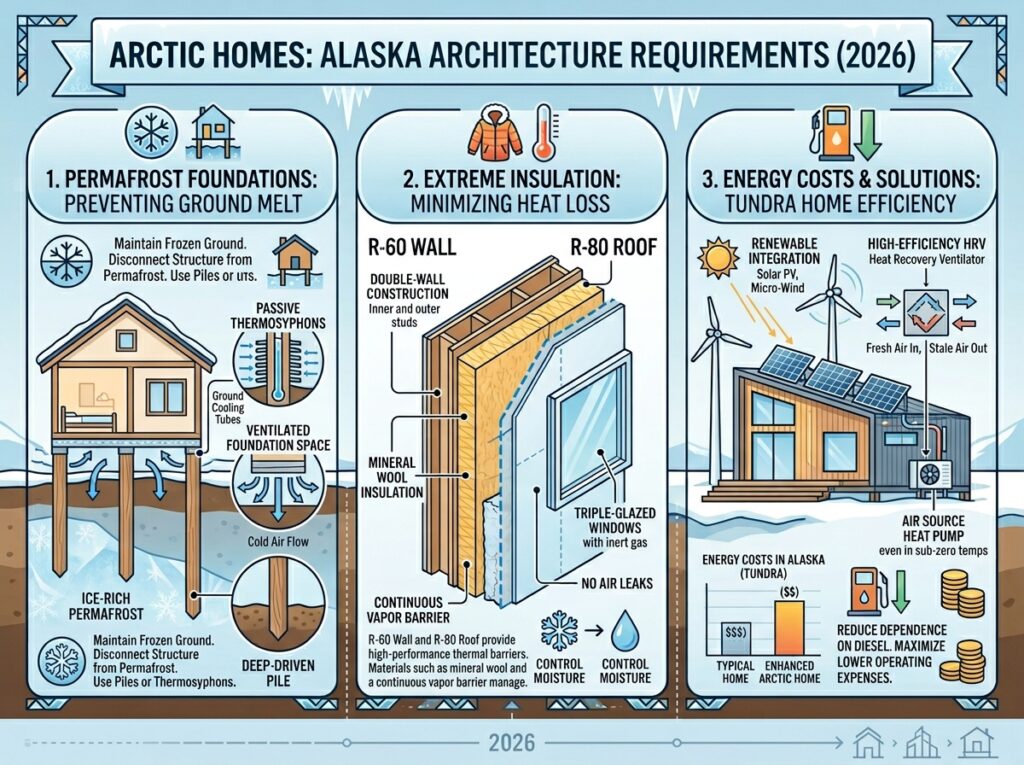
- Permafrost respect: If the ground beneath you thaws, your house sinks. Period.
Alaska Nice Note: Unlike warmer states where “building code” feels like bureaucracy, here it feels like common sense. Alaskan contractors don’t cut corners on insulation because they have to live in the same climate.
Energy-Efficient Architectural Strategies for the Tundra
Let us move beyond theory. Below are the specific design tactics that separate a warm, dry home from a frozen money pit.
1. The Foundation: Piles, Not Pours
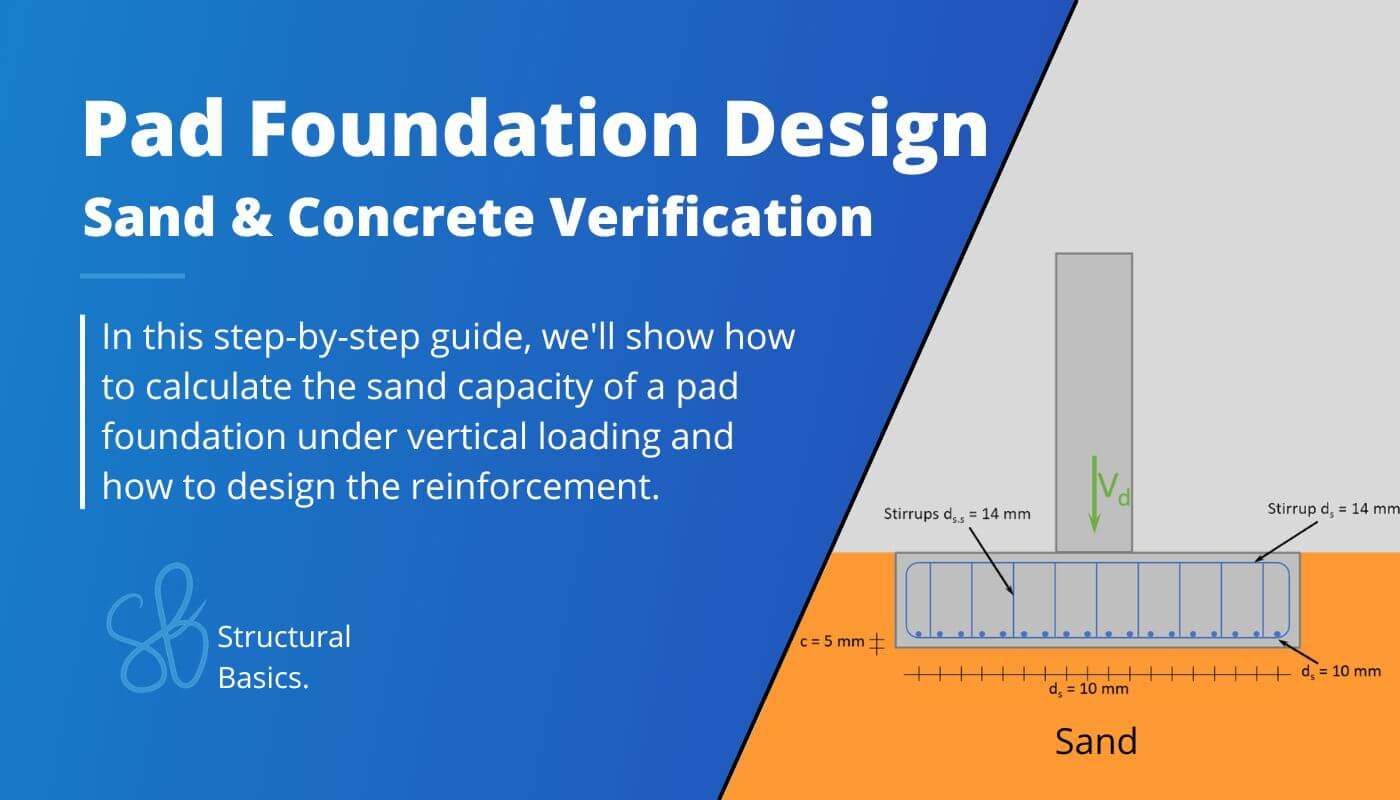
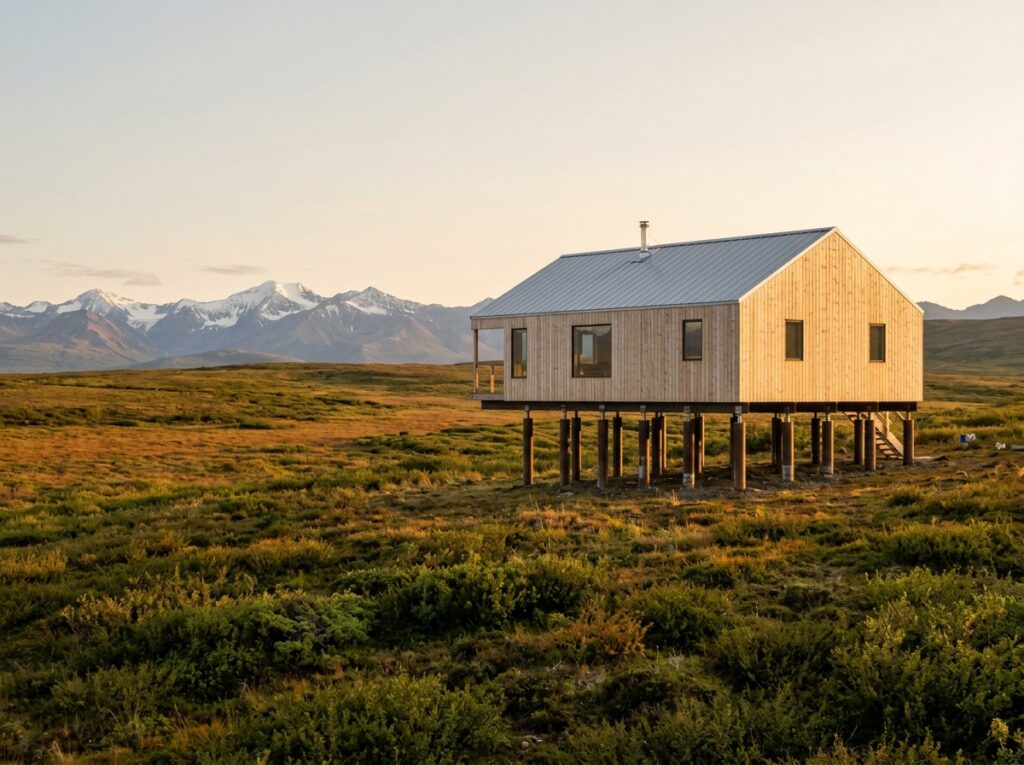
On permafrost or discontinuous permafrost soils, concrete slabs crack within two years due to frost heave. The solution is a ventilated raised foundation on driven steel piles or screw piles.
- Cost difference: Pile foundations run $25–$45 per square foot vs. $10–$18 for slabs — but slabs fail here.
- Best practice: Leave at least 18 inches of ventilated air space beneath the insulated floor deck.
2. The Envelope: Extreme Insulation
Minimum code (IECC 2021) is not enough. Smart Alaskan builders target:
- Walls: R-40 to R-60 (double the Lower 48 standard)
- Roof/Ceiling: R-80 to R-100
- Floor over ventilated crawlspace: R-50
How to achieve this without 24-inch walls? Use double-stud wall assemblies or SIPs (Structural Insulated Panels) with 10+ inches of foam core.
3. Windows: The Weakest Link
Triple-pane, low-E, argon-filled windows are the minimum starting point. In truly cold zones (Fairbanks, Tok, Kotzebue), you need quadruple-pane glass or exterior insulated shutters for winter use.
- Pro tip: Size windows primarily for daylight on the south face. Keep north-facing glass to less than 5% of wall area.
4. Heat Recovery Ventilation (HRV)
You cannot open a window in January to clear indoor humidity — you will lose all your heat. Every energy-efficient Alaskan home requires an HRV or ERV that preheats incoming fresh air using outgoing stale air.
- Budget: $2,500–$6,000 installed, but it cuts mold risk by 90%.
Local Construction Trends Across Alaska
Architecture in Alaska varies dramatically by region. Here is what the best [City Name] contractors are seeing in 2026.
Anchorage / Mat-Su Valley (Southcentral)
Anchorage enjoys milder winters (average -5°F to 15°F) but heavy snow loads (50–100 psf). Modern farmhouse aesthetics have arrived here, but with raised-heel trusses to allow full insulation over exterior walls.
- Trend: Adaptive reuse of older military housing stock into energy-retrofitted family homes.
- Cost per square foot: $300–$500 for custom energy-efficient builds.
Fairbanks (Interior)
The cold is extreme (-40°F common). Fairbanks builders specialize in “hot roofs” — unvented cathedral ceilings with rigid foam above the roof deck. This prevents ice dams and condensation.
- Unique requirement: Many rural lots lack natural gas, so homes are designed around Toyostove or Monitor heaters (vented kerosene/diesel) with wood backup.
Juneau / Southeast (Maritime)
Here, the challenge is not cold but rain and freeze-thaw cycles. Architecture in Alaska’s panhandle prioritizes drainage planes and metal roofing. Water intrusion is the number one failure mode.
- Trend: Elevated entries (stairs to second-floor main living) to avoid snowmelt flooding.
Navigating Alaska Building Codes and Permits
Alaska enforces the 2021 International Residential Code (IRC) with strict state-specific amendments. However, enforcement varies wildly.
Statewide Requirements
- Thermal envelope inspections: Blower door tests are mandatory in participating boroughs (Anchorage, Fairbanks North Star, Juneau).
- Frost protection: Footings must extend below frost line (42 inches in Southcentral, 48+ inches in Interior) unless on a properly ventilated pile foundation.
Borough-Specific Nuances
- Matanuska-Susitna Borough: Requires engineered truss drawings for any roof over 30 feet wide. Snow load calculations are rigorously checked.
- Fairbanks North Star Borough: Requires radon mitigation rough-ins due to high indoor radon levels from cold-air reverse stack effect.
- Unorganized Borough (rural): No building department, but National Flood Insurance Program requirements still apply near rivers.
Alaska Nice Note: Always call the local borough permitting office before you purchase land. Ask for their “remote construction checklist.” They are surprisingly helpful if you are polite and prepared.
FAQ: Energy-Efficient Architecture in Alaska
Q: What is the average cost per square foot to build an energy-efficient home in Alaska right now?
A: In 2026, expect $350–$600 per square foot for a fully weatherized, energy-efficient custom home. This is 2–3x the Lower 48 average due to freight costs (barges in summer, air freight in winter) and specialized labor.
Q: Do I really need an HRV, or can I just crack a window?
A: Cracking a window in -20°F destroys your heat envelope and costs hundreds per month in wasted fuel. An HRV is mandatory for health (indoor air quality) and efficiency. No certified green home in Alaska skips this.
Q: What are the permit requirements for a remote off-grid build?
A: If you are outside a organized borough (most of rural Alaska), you have no building permits. However, you must comply with DEC wastewater regulations (approved septic or composting toilet) and state electrical inspections for insurance. Most lenders still require third-party inspections.
Q: How do I find reputable Anchorage contractors who understand tundra architecture?
A: Look for CCHRC (Cold Climate Housing Research Center) affiliates or builders with BPI GoldStar certification. Ask for thermal imaging reports of their completed homes. Avoid anyone who says “R-30 walls are plenty.”
Q: Is passive solar worth it in Alaska?
A: Yes — but only south of the Brooks Range. A south-facing glass wall with thermal mass (tile, concrete, water barrels) can provide 30–50% of heating needs in March and September. In December, when the sun barely rises, rely on active systems.
Conclusion: Build for the Long Cold
Building a home on the tundra requires a mindset shift. You are not constructing an asset; you are constructing a life-support system. Every dollar saved on insulation or ventilation will cost you five dollars in heating fuel or frozen pipe repairs within the first decade.