Sony Xperia 1 VIII Review 2026: The Quirky Flagship That Refuses to Follow Trends
Our Sony Xperia 1 VIII review 2026 covers the ore-texture design, 4x larger telephoto sensor, Snapdragon 8 Elite Gen 5, and why this might be the last true flagship with a headphone jack and microSD slot.
Introduction: The Last of Its Kind
In an era where smartphones are increasingly indistinguishable—glass slabs with punch-hole cameras, no headphone jacks, and sealed-in storage—Sony remains stubbornly, almost defiantly, different.
The Xperia 1 VIII is proof that the Japanese electronics giant isn’t ready to abandon its niche. Unveiled on May 13, 2026, this is the most significant redesign the Xperia 1 line has seen in years . It features a controversial new “ore texture” finish, a completely reworked square camera module, and a telephoto sensor that is four times larger than its predecessor .
But in 2026, does “different” still translate to “better”? With rivals like the iPhone 17 Pro Max and Galaxy S26 Ultra pushing computational photography and AI to new heights, can Sony’s camera-first, specs-second approach survive?
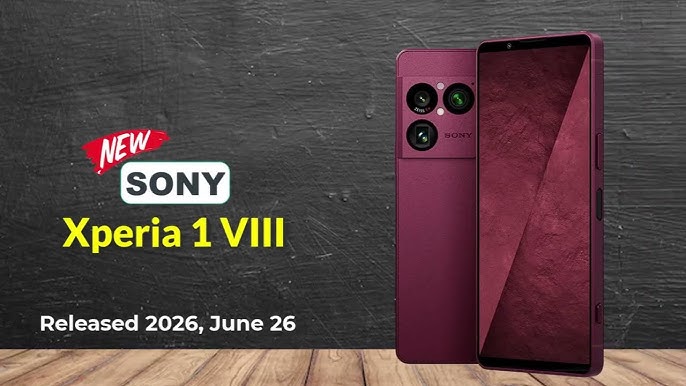
In this Sony Xperia 1 VIII review 2026, we will examine the design overhaul, the camera upgrades, the performance benchmarks, and whether this quirky flagship is worth its premium price tag.
Part 1: Design – The “Ore Texture” Controversy
1.1 A Radical New Look
For seven generations, the Xperia 1 series featured a tall, narrow body with a vertical camera strip. The Xperia 1 VIII throws that legacy out the window .
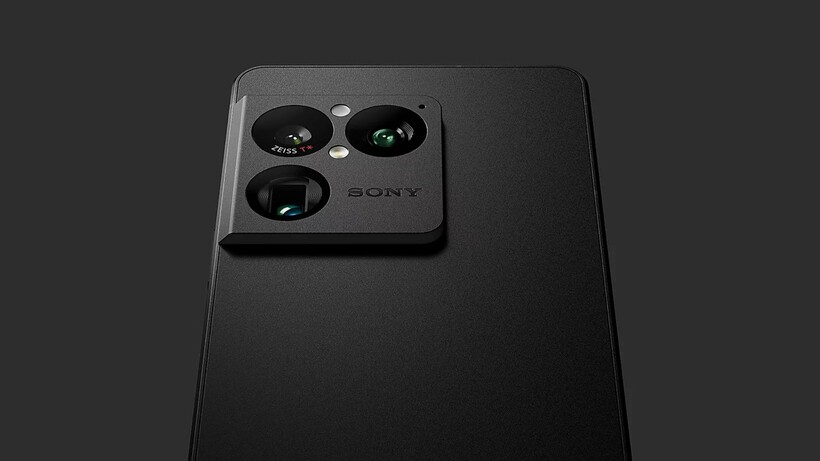
The most obvious change is the camera module. Sony has adopted a square “ORE” design—a raised island housing three lenses, a flash, and the Sony logo in a square arrangement . This is a clear departure from the minimalist vertical strip, bringing Sony more in line with mainstream design language (think Pixel or Xiaomi).
But the real headline is the back texture. Sony has applied a mineral-inspired coating to the glass back, creating a rough,砂岩-like finish that Sony calls “ore texture” .
The reaction has been mixed.
- Some reviewers praise the grip, noting the phone is far less slippery than glossy glass rivals .
- Others have described the sensation as akin to “holding a nail file” or “something dirty.” At PhoneArena, multiple staff members expressed immediate dislike for the texture .
Love it or hate it, the Xperia 1 VIII is unmistakable. It comes in four colors: Graphite Black, Iolite Silver, Garnet Red, and a Sony Store-exclusive Native Gold .
1.2 The Features Everyone Else Killed
Here is where Sony deserves genuine applause. The Xperia 1 VIII retains features that have vanished from every other flagship:
| Feature | Xperia 1 VIII | iPhone 17 Pro Max | Galaxy S26 Ultra |
|---|---|---|---|
| 3.5mm Headphone Jack | ✅ Yes | ❌ No | ❌ No |
| microSD Card Slot | ✅ Yes (tool-less tray) | ❌ No | ❌ No |
| Uninterrupted Display | ✅ Yes (no punch-hole) | ❌ Dynamic Island | ❌ Punch-hole |
| Physical Shutter Key | ✅ Yes (two-stage) | ❌ No | ❌ No |
For audiophiles, content creators, and anyone tired of paying $200 extra for storage, these features are not nostalgia—they are essentials. The microSD slot supports cards up to 2TB, and the SIM tray can be removed without a tool .
The 6.5-inch OLED display remains uninterrupted by notches or punch-holes, with the front-facing camera housed in the top bezel. While this means slightly thicker bezels than the competition, it offers a truly full-screen experience for video and gaming .
Part 2: Camera System – Bigger Sensors, Less Zoom
2.1 The Hardware Upgrade Everyone Wanted
Sony has listened to criticism. Previous Xperia flagships suffered from an imbalance: a great main sensor paired with mediocre telephoto and ultra-wide lenses. The Xperia 1 VIII fixes this by deploying three 48MP sensors across all rear cameras .
| Lens | Resolution | Sensor Size | Aperture | Focal Length |
|---|---|---|---|---|
| Ultra-wide | 48MP | 1/1.56-inch | f/2.0 | 16mm |
| Main (wide) | 48MP (effective) | 1/1.35-inch (Exmor T) | f/1.9 | 24mm (48mm crop) |
| Telephoto | 48MP | 1/1.56-inch | f/2.8 | 70mm (2.9x) |
The telephoto sensor is four times larger than the Xperia 1 VII’s sensor, dramatically improving low-light performance and dynamic range . This is a genuine leap forward for zoom photography on Sony phones.
2.2 The Trade-Off: No More Continuous Zoom
However, there is a catch. Sony has removed the continuous optical zoom (85-170mm) that defined previous Xperia models. The Xperia 1 VIII uses a fixed 70mm telephoto lens, relying on the high 48MP sensor to crop losslessly to 140mm (5.8x zoom) .
What does this mean in practice?
- Better image quality at 2.9x and 5.8x than the old system could achieve at mid-zoom ranges.
- Less flexibility at extreme zoom (beyond 6x), where the Xperia falls behind dedicated periscope zooms on Chinese flagships like the Oppo Find X9 Ultra .
For most users, this trade-off is acceptable. The improved sensor size benefits every single telephoto shot, not just those at specific focal lengths.
2.3 AI Camera Assistant: Helpful or Gimmicky?
Sony has introduced an AI Camera Assistant powered by the on-device Xperia Intelligence engine . The feature analyzes the scene in real time and offers suggestions for:
- Creative Look filters (color grading presets inspired by Sony Alpha cameras)
- Lens selection (e.g., switching to telephoto for portraits)
- Background blur (bokeh) intensity
The assistant appears as thumbnail previews on the side of the viewfinder. You can accept the suggestion with a tap or ignore it entirely .
Early reviews are mixed.
- Stuff magazine found the thumbnails too small to be useful and noted the AI rarely prompted lens changes .
- PhoneArena questioned whether “semi-pro” photographers need AI suggesting saturation filters .
- More positive takes from Asian tech outlets praised the feature for lowering the barrier to entry for casual users .
The consensus: the AI assistant is a step in the right direction for Sony, but it is not yet as polished as Google’s Pixel Camera Coach.
2.4 Image Quality: Natural, Not Overprocessed
Where the Xperia 1 VIII shines is in its image processing philosophy. While rivals like the iPhone aggressively sharpen and boost saturation, Sony prioritizes natural colors, accurate contrast, and preservation of highlight and shadow detail .
Pros of the camera system:
- Excellent dynamic range, especially on the main and ultra-wide sensors.
- Natural skin tones and accurate white balance.
- Zeiss T* coating effectively eliminates lens flare and ghosting .
- Telephoto macro mode now works at 15cm with autofocus—a huge improvement .
Cons:
- CHIP’s testing found that photos lack the fine detail and sharpness of class leaders like the Vivo X300 Ultra .
- Low-light performance is improved but not best-in-class.
- The 12MP selfie camera remains underwhelming .
Part 3: Performance and Battery – Solid but Unspectacular
3.1 Snapdragon 8 Elite Gen 5
The Xperia 1 VIII is powered by the Qualcomm Snapdragon 8 Elite Gen 5 chipset, built on a 3nm process . This is the same silicon found in most 2026 Android flagships.
Benchmark scores (PhoneArena/Stuff):
| Benchmark | Score |
|---|---|
| Geekbench 6 (Single-core) | ~3,150 |
| Geekbench 6 (Multi-core) | ~8,975 |
| 3DMark Wild Life Extreme | ~6,213 |
| Speedometer 3.1 | 24.6 |
Raw performance places the Xperia 1 VIII around the middle of the flagship pack. Sony appears to have taken a conservative approach to clock speeds and thermal management, prioritizing sustained performance over peak benchmarks .
In real-world use, the phone handles multitasking, gaming, and 4K video recording without stutter or lag. The vapor chamber cooling system prevents thermal throttling during extended gaming sessions .
3.2 Battery Life: Two Days? Not Quite
The Xperia 1 VIII houses a 5000mAh battery—unchanged from the previous generation . Sony claims “up to two days” of use, but independent testing tells a different story.
CHIP’s battery test results (internet surfing at 200 nits brightness):
| Device | Battery Life |
|---|---|
| Oppo Find X9 Ultra | 23:14 hours |
| Samsung Galaxy S26 Ultra | 20:51 hours |
| Xperia 1 VII | 19:42 hours |
| Xperia 1 VIII | 18:36 hours |
| Vivo X300 Ultra | 18:52 hours |
The Xperia 1 VIII delivers a full day of heavy use but falls short of the multi-day endurance offered by Chinese rivals with 6500mAh+ batteries .
Charging speeds remain a weakness:
- 30W wired charging (0-50% in 30 minutes)
- 15W wireless charging
These are the slowest charging speeds in the flagship category. Oppo, Xiaomi, and Honor offer 80W-100W wired charging and 50W wireless charging at similar or lower price points .
3.3 Software and Updates
The Xperia 1 VIII ships with Android 16 and features a near-stock Android interface with minimal bloatware. Sony has committed to:
- 4 major Android version updates (through Android 20)
- 6 years of security patches (until 2032)
This puts Sony on par with Google and Samsung for software longevity—a welcome commitment for users who keep their phones for multiple years.
Part 4: Pricing and Availability – The North America Problem
4.1 Global Pricing
| Region | 12GB/256GB | 12GB/512GB | 16GB/1TB |
|---|---|---|---|
| Hong Kong | HK$12,099 | HK$12,899 | HK$15,899 |
| Taiwan | NT$44,880 | NT$50,880 | NT$59,880 |
| Europe | €1,499 | N/A | €1,999 |
| UK | £1,399 | N/A | £1,849 |
Prices have increased across the board compared to the Xperia 1 VII, attributed to rising memory component costs .
4.2 The North America Absence
Critical note for US readers: Sony has no plans to release the Xperia 1 VIII in North America . This continues a trend that began with the Xperia 1 VII. US buyers interested in the device will need to import from European or Asian markets, with all the associated carrier compatibility and warranty challenges.
Part 5: Verdict – Who Is This Phone For?
5.1 The Pros and Cons
| Pros | Cons |
|---|---|
| Three large 48MP sensors (no weak lens) | Polarizing “ore texture” design |
| 4x larger telephoto sensor improves low-light zoom | Removed continuous optical zoom |
| 3.5mm headphone jack + microSD slot | Slow 30W charging by 2026 standards |
| Uninterrupted display (no punch-hole) | Battery life below class average |
| Physical two-stage shutter button | AI Camera Assistant is undercooked |
| 4 years OS + 6 years security updates | No US release |
| Natural, un-overprocessed image quality | Expensive for what you get |
5.2 Final Score
Rating: 7.5/10
Stuff magazine: “Competitive rear camera trio takes fight to Google, Samsung and Apple… but battery life and charging speeds far from the class best.”
CHIP: “The Xperia 1 VIII impresses with its extensive camera features and great display, but photos could be sharper.”
PhoneArena: “The only 2026 flagship with a microSD slot and headphone jack. Quirky. Expensive. But undeniably Sony.”
Conclusion: The Flagship for Non-Conformists
The Sony Xperia 1 VIII review 2026 reveals a phone that is simultaneously ahead of its time and stubbornly behind it.
Ahead, because Sony is one of the only manufacturers still fighting for physical buttons, wired audio, expandable storage, and uninterrupted displays—features that a vocal minority of users refuse to surrender.
Behind, because the battery is too small, the charging too slow, and the AI camera features too half-baked to compete with the polish of a Pixel or Galaxy.
If you are a photographer who wants natural colors, manual controls, and a telephoto sensor that actually gathers light, the Xperia 1 VIII is worth every penny.
If you want the fastest charging, longest battery life, and most polished AI experience, look elsewhere.
Sony is not trying to beat Samsung at its own game. It is playing a different game entirely. And for the right user, that is exactly the point.
Frequently Asked Questions (FAQ)
Is the Sony Xperia 1 VIII available in the US?
No. Sony has no plans to release the Xperia 1 VIII in North America. US buyers would need to import from Europe or Asia.
Does the Xperia 1 VIII have a headphone jack?
Yes. The 3.5mm headphone jack is retained, along with high-resolution audio support and LDAC Bluetooth codec.
Does the Xperia 1 VIII have a microSD card slot?
Yes. The tool-less SIM tray accepts a microSD card up to 2TB.
What is the “ore texture” on the Xperia 1 VIII?
It is a mineral-inspired textured glass finish on the back of the phone designed to improve grip. It has received mixed reviews, with some praising the feel and others comparing it to a nail file.
Why did Sony remove the continuous optical zoom?
Sony replaced the complex continuous zoom mechanism with a fixed 70mm telephoto lens paired with a much larger 1/1.56-inch 48MP sensor. The high resolution allows for lossless cropping to 140mm (5.8x), and the larger sensor dramatically improves low-light image quality.
Call to Action (CTA)
Are you considering the Xperia 1 VIII? Do the headphone jack and microSD slot matter to you in 2026? Share your thoughts in the comments below. And if you found this review helpful, share it with a fellow Sony fan who has been waiting for this generation.